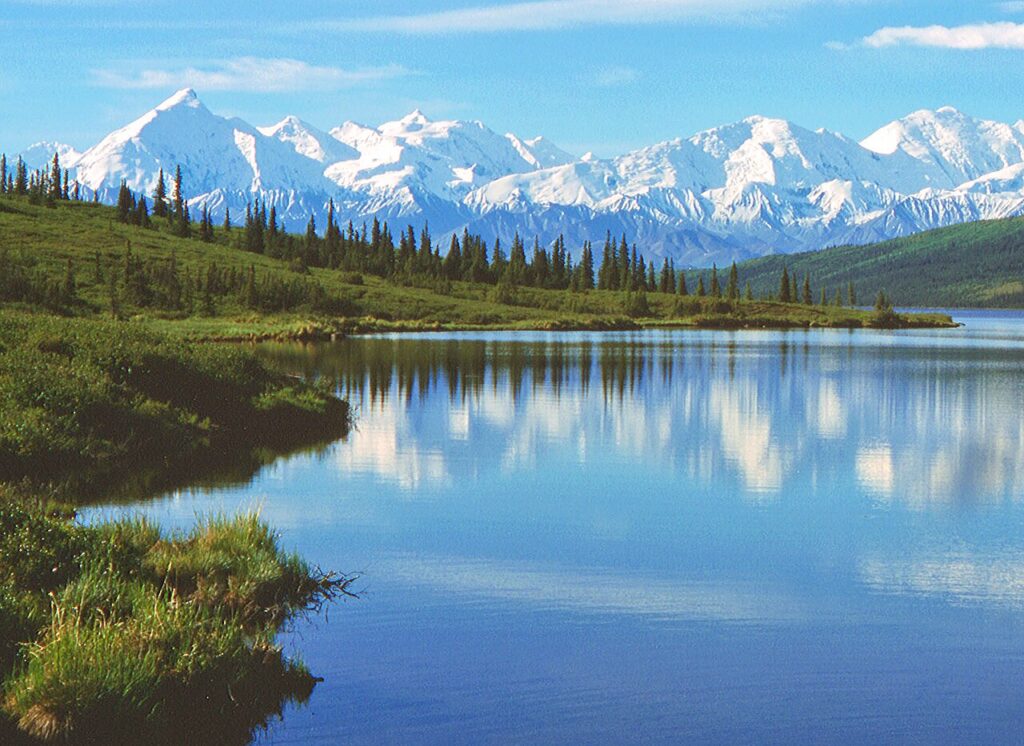
Wonder Lake: A Hiker’s Paradise in Alaska’s Denali National Park
Located in the heart of Denali National Park, Wonder Lake is a breathtaking destination that offers stunning views, diverse wildlife, and unforgettable hiking experiences. As an expert Alaska outdoor guide, I’m excited to share my knowledge with you and help you plan your trip to this incredible lake. In this article, we’ll delve into the details of Wonder Lake, covering its location, what to expect, the best times to visit, essential gear, wildlife safety, and more.
Location Details and Directions
Wonder Lake is situated in the northern part of Denali National Park, approximately 85 miles northwest of the park’s headquarters. The lake’s GPS coordinates are 63.4573° N, 151.0353° W. To get to Wonder Lake, take the Denali Park Road, a 92-mile scenic road that runs through the park. The road is open to private vehicles, but be aware that it’s a narrow, winding road with limited parking and restrooms. Alternatively, you can take the park’s shuttle bus, which offers a convenient and narrated tour of the park.
The drive to Wonder Lake typically takes around 4-5 hours from the park’s headquarters, depending on road conditions and the number of stops you make along the way. Be sure to check the park’s website for up-to-date road conditions and shuttle bus schedules before your trip.
Detailed Description of Wonder Lake
Wonder Lake is a stunning glacial lake that offers breathtaking views of North America’s highest peak, Denali (formerly known as Mount McKinley). The lake is surrounded by lush vegetation, including willows, aspen, and spruce trees, and is home to a diverse range of wildlife, including grizzly bears, moose, caribou, and wolves. The lake’s shoreline is approximately 6 miles long, and its surface elevation is 2,000 feet above sea level.
Visitors to Wonder Lake can enjoy a range of activities, including hiking, camping, fishing, and wildlife viewing. The lake is surrounded by several hiking trails, including the Wonder Lake Trail, which offers stunning views of the lake and surrounding mountains. The trail is approximately 10 miles round-trip and takes around 5-7 hours to complete, depending on your pace and the number of stops you make along the way.
Best Times to Visit Wonder Lake
The best time to visit Wonder Lake depends on your interests and preferences. The park is open year-round, but the road to Wonder Lake is typically closed from mid-October to late May due to snow and ice. During the summer months (June to August), the park is at its busiest, with warm weather and long days making it ideal for hiking and camping. However, this is also the peak season for mosquitoes and other insects, so be sure to bring plenty of bug repellent.
In the spring (April to May), the park is less crowded, and the wildlife is more active, making it a great time for wildlife viewing. The fall (September to October) is also a great time to visit, with the changing leaves and cooler weather making it ideal for hiking and camping. During the winter months (December to March), the park is quiet, and the scenery is breathtaking, with the snow-covered mountains and frozen lake making it a great time for cross-country skiing and snowshoeing.
Here’s a seasonal breakdown of what to expect at Wonder Lake:
- Summer (June to August): Warm weather, long days, and peak tourist season. Ideal for hiking, camping, and wildlife viewing.
- Spring (April to May): Less crowded, with active wildlife and mild weather. Ideal for wildlife viewing and hiking.
- Fall (September to October): Cooler weather, changing leaves, and fewer crowds. Ideal for hiking, camping, and scenic driving.
- Winter (December to March): Quiet, with snow-covered mountains and frozen lake. Ideal for cross-country skiing, snowshoeing, and winter camping.
Essential Gear and Preparation
When planning your trip to Wonder Lake, it’s essential to bring the right gear and be prepared for the challenges of hiking and camping in Alaska’s wilderness. Here are some essentials to include in your packing list:
- Hiking boots: Sturdy, waterproof boots with good traction are essential for hiking in Alaska’s rugged terrain.
- Clothing: Bring layers of breathable clothing, including a waterproof jacket and pants, as well as warm hat and gloves.
- Backpack: A comfortable backpack with multiple compartments and pockets is essential for carrying your gear.
- First aid kit: A basic first aid kit should include items such as bandages, antiseptic wipes, and pain relievers.
- Food and water: Bring enough non-perishable food and water for your trip, as well as a water filter or purification tablets.
- Map and compass: A detailed map and compass are essential for navigating Alaska’s wilderness.
- Emergency shelter: A lightweight emergency shelter, such as a tent or tarp, can provide protection in case of bad weather.
In addition to the right gear, it’s also essential to be prepared for the challenges of hiking and camping in Alaska’s wilderness. This includes:
- Physical conditioning: Hiking and camping in Alaska’s wilderness can be physically demanding, so make sure you’re in good physical condition before your trip.
- Weather awareness: Be aware of the weather forecast and potential hazards such as thunderstorms, avalanches, and extreme cold.
- Wildlife awareness: Be aware of the potential for wildlife encounters, including bears, moose, and wolves, and take necessary precautions to stay safe.
Wildlife Safety and Emergency Tips
When hiking and camping in Alaska’s wilderness, it’s essential to be aware of the potential for wildlife encounters and take necessary precautions to stay safe. Here are some tips for wildlife safety and emergency preparedness:
- Bear safety: Make noise while hiking, stay in groups, and keep a clean campsite to avoid attracting bears.
- Moose safety: Be aware of your surroundings and watch for moose, especially in areas with dense vegetation.
- Emergency preparedness: Bring a first aid kit, know how to use a compass and map, and have a plan in case of an emergency.
- Emergency contact: Let someone know your itinerary and expected return time, and carry a satellite phone or personal locator beacon (PLB) in case of an emergency.
In the event of an emergency, stay calm and follow these steps:
- Assess the situation: Take stock of your surroundings and the severity of the situation.
- Call for help: Use a satellite phone or PLB to call for help, or try to find a park ranger or other authority figure.
- Provide first aid: If someone is injured, provide basic first aid and try to keep them comfortable and warm.
- Stay put: Unless you’re in immediate danger, stay put and wait for help to arrive.
Historical Background and Cultural Significance
Wonder Lake has a rich cultural and historical significance, with evidence of human habitation dating back thousands of years. The lake is located in the traditional territory of the Athabascan people, who have lived in the region for centuries. The lake was also an important stopping point for early explorers and trappers, who used it as a base for hunting and trading.
In 1917, the area around Wonder Lake was designated as Mount McKinley National Park, which was later expanded and renamed Denali National Park in 1980. Today, the park is a protected area, with efforts in place to preserve its natural and cultural resources for future generations.
Practical Tips from Experienced Visitors
Here are some practical tips from experienced visitors to Wonder Lake:
- Bring bug repellent: Mosquitoes and other insects can be a nuisance in the summer months, so be sure to bring plenty of bug repellent.
- Be prepared for changing weather: The weather in Alaska’s wilderness can be unpredictable, so be sure to bring layers and be prepared for changing conditions.
- Respect the wildlife: Keep a safe distance from wildlife, and never feed or approach them.
- Bring a map and compass: Even with a GPS device, it’s essential to bring a map and compass as a backup.
- Let someone know your itinerary: Let someone know your planned route and expected return time, and carry a satellite phone or PLB in case of an emergency.
Nearby Attractions and Activities
Wonder Lake is just one of many amazing attractions and activities in Denali National Park. Here are some other nearby attractions and activities to consider:
- Denali Visitor Center: The Denali Visitor Center is a great place to start your trip, with exhibits and information on the park’s natural and cultural history.
- Mount Foraker: Mount Foraker is a stunning mountain that offers breathtaking views and hiking opportunities.
- Polychrome Pass: Polychrome Pass is a scenic pass that offers stunning views of the surrounding mountains and valleys.
- Riley Creek Campground: Riley Creek Campground is a convenient campground located near the park’s headquarters, with amenities such as flush toilets and potable water.
- Shuttle bus tour: The park’s shuttle bus tour is a great way to see the park’s scenery and wildlife, with knowledgeable drivers and guides.
In conclusion, Wonder Lake is a must-visit destination for anyone interested in hiking, camping, and wildlife viewing in Alaska’s wilderness. With its stunning scenery, diverse wildlife, and rich cultural and historical significance, Wonder Lake is an unforgettable experience that will leave you with lifelong memories.