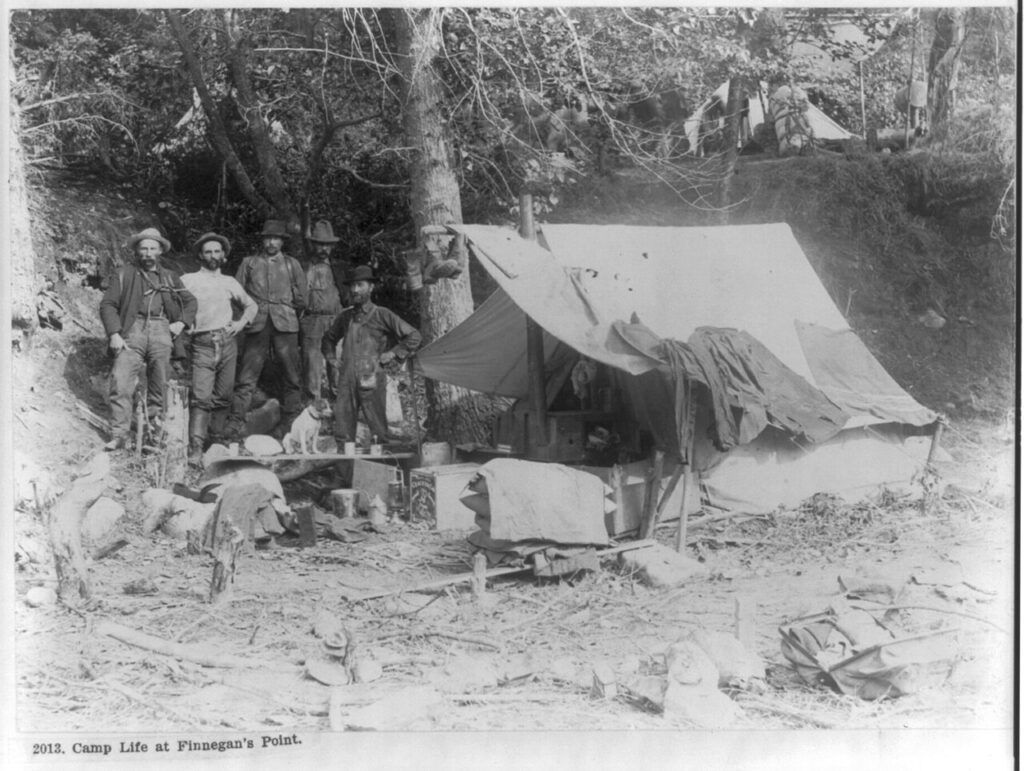
Introduction to Finnegans Point
Finnegans Point is a remote and rugged destination located in the heart of Alaska’s wilderness. As an expert Alaska outdoor guide, I can attest that this point offers some of the most breathtaking views and exciting outdoor adventures in the state. In this article, we will delve into the details of Finnegans Point, including its location, what visitors can expect, the best times to visit, and essential gear and preparation.
Located on the shores of Lake Iliamna, Finnegans Point is a popular spot for hiking, camping, and wildlife viewing. The point is surrounded by towering mountains, pristine lakes, and vast tundras, making it a paradise for outdoor enthusiasts. Whether you are a seasoned adventurer or just starting to explore Alaska’s great outdoors, Finnegans Point is a must-visit destination.
Location Details
To get to Finnegans Point, visitors will need to travel to the town of Iliamna, which is located about 200 miles southwest of Anchorage. From Iliamna, take the Lake Iliamna Road (also known as the Iliamna Lake Road) for approximately 20 miles until you reach the Finnegans Point Trailhead. The trailhead is marked with a sign and has a small parking area. The GPS coordinates for the trailhead are: 59.7667° N, 153.2833° W.
It’s worth noting that the road to Finnegans Point can be rough and may require a high-clearance vehicle, especially during the spring and summer months when the road is muddy and pot-holed. Visitors should also be prepared for changing weather conditions, including rain, wind, and cold temperatures, even during the summer months.
Directions from Anchorage
If you are traveling from Anchorage, take the Seward Highway (AK-1) south for approximately 100 miles until you reach the town of Homer. From Homer, take the Sterling Highway (AK-1) west for about 70 miles until you reach the town of Iliamna. From Iliamna, follow the directions above to get to the Finnegans Point Trailhead.
Alternatively, visitors can take a flight from Anchorage to Iliamna on a small plane or charter a floatplane to take them directly to Finnegans Point. This option can be more expensive, but it offers a unique and exciting way to see Alaska’s wilderness from the air.
Detailed Description of What Visitors Can Expect
Finnegans Point is a stunning destination that offers a wide range of outdoor activities and breathtaking views. The point is surrounded by towering mountains, including the majestic Mount Iliamna, which rises over 10,000 feet above the lake. Visitors can hike to the top of the point for panoramic views of the lake and surrounding mountains, or explore the many trails and beaches in the area.
The point is also home to a wide range of wildlife, including bears, moose, caribou, and wolves. Visitors may also see a variety of bird species, including eagles, osprey, and puffins. The lake is home to a large population of salmon and other fish species, making it a popular spot for fishing and kayaking.
Trail Information
The Finnegans Point Trail is a 5-mile out-and-back trail that takes visitors from the trailhead to the top of the point. The trail is considered moderate to difficult, with steep inclines and uneven terrain. The elevation gain is approximately 1,000 feet, and the trail takes most visitors 2-3 hours to complete.
Along the trail, visitors will pass through a variety of landscapes, including forests, tundras, and rocky outcroppings. The trail is well-marked, but visitors should be prepared for changing weather conditions and potential wildlife encounters.
Best Times to Visit
The best time to visit Finnegans Point depends on your interests and preferences. The summer months (June to August) offer warm weather and long days, making it ideal for hiking and outdoor activities. However, this is also the peak tourist season, and visitors may encounter crowds and higher prices.
The spring months (April to May) offer a unique opportunity to see wildlife, including bears and moose, as they emerge from hibernation. The fall months (September to October) offer stunning foliage and a chance to see the Northern Lights.
The winter months (November to March) are best for experienced outdoor enthusiasts who are prepared for cold temperatures and snow. Visitors can enjoy dog sledding, snowshoeing, and ice fishing, but should be aware of the potential risks and challenges of winter travel in Alaska.
Seasonal Breakdown
Here is a breakdown of what visitors can expect during each season:
- Summer (June to August): Warm weather, long days, and peak tourist season. Ideal for hiking, camping, and outdoor activities.
- Spring (April to May): Cool weather, potential snow, and wildlife viewing. Ideal for seeing bears and moose as they emerge from hibernation.
- Fall (September to October): Cool weather, stunning foliage, and potential Northern Lights viewing. Ideal for hiking, camping, and outdoor activities.
- Winter (November to March): Cold temperatures, snow, and potential ice. Ideal for dog sledding, snowshoeing, and ice fishing, but requires experience and preparation.
Essential Gear and Preparation
Visitors to Finnegans Point should be prepared for changing weather conditions, potential wildlife encounters, and rugged terrain. Here are some essential items to bring:
- Sturdy hiking boots or shoes
- Waterproof jacket and pants
- Insulating layers (fleece, wool, or synthetic)
- Base layers (moisture-wicking tops and leggings)
- First aid kit
- Map and compass (and/or GPS device)
- Headlamp or flashlight
- Food and water (at least 2-3 days’ worth)
- Shelter and sleeping bag (if planning to camp)
- Bear spray and/or bear-resistant container
Visitors should also be prepared for emergencies, including injuries, illnesses, and weather-related incidents. It’s a good idea to bring a personal locator beacon (PLB) or satellite phone, especially if you are traveling alone or in a remote area.
Wildlife Safety and Emergency Tips
Finnegans Point is home to a wide range of wildlife, including bears, moose, and wolves. Visitors should be aware of the potential risks and take necessary precautions to stay safe.
Here are some tips for wildlife safety:
- Make noise while hiking to avoid surprising animals
- Stay in groups and avoid traveling alone
- Keep a clean campsite and store food and trash properly
- Avoid feeding wildlife, including birds and squirrels
- Be aware of your surroundings and watch for signs of wildlife, including tracks, scat, and digging
In the event of an emergency, visitors should stay calm and follow these steps:
- Call for help using a cell phone or satellite phone
- Use a personal locator beacon (PLB) to send a distress signal
- Find shelter and start a fire (if possible)
- Stay warm and dry, and avoid hypothermia
- Wait for rescue or assistance, and avoid attempting to hike out unless absolutely necessary
Historical Background and Cultural Significance
Finnegans Point has a rich cultural and historical significance, with evidence of human habitation dating back thousands of years. The point was an important fishing and trading site for the indigenous Dena’ina people, who lived in the area for centuries.
In the late 19th and early 20th centuries, the point was also home to a number of gold and copper mines, which brought an influx of settlers and prospectors to the area. Today, visitors can still see remnants of the old mines and cabins, and learn about the history and culture of the area at the Finnegans Point Interpretive Center.
Practical Tips from Experienced Visitors
Here are some practical tips from experienced visitors to Finnegans Point:
- Bring bug repellent: Mosquitoes and other insects can be fierce in the summer months, so be sure to bring plenty of bug repellent and take necessary precautions.
- Be prepared for wind: The point can be very windy, especially in the spring and fall, so be sure to bring a warm hat and gloves, and secure your tent and gear.
- Respect the environment: Finnegans Point is a fragile and sensitive ecosystem, so be sure to follow all regulations and guidelines, and leave nothing behind but bubbles and take nothing but memories.
- Bring a camera: The scenery and wildlife at Finnegans Point are truly breathtaking, so be sure to bring a camera and capture some amazing photos.
Nearby Attractions and Activities
There are a number of nearby attractions and activities that visitors to Finnegans Point may enjoy, including:
- Lake Iliamna: The largest lake in Alaska, Lake Iliamna offers stunning views, fishing, and boating opportunities.
- Mount Iliamna: A majestic volcano that rises over 10,000 feet above the lake, Mount Iliamna offers stunning views and hiking opportunities.
- Iliamna Village: A small indigenous village located on the shores of Lake Iliamna, Iliamna Village offers a glimpse into traditional Dena’ina culture and way of life.
- Newhalen River: A scenic river that flows into Lake Iliamna, the Newhalen River offers stunning views, fishing, and kayaking opportunities.
Overall, Finnegans Point is a unique and exciting destination that offers a wide range of outdoor activities, stunning views, and cultural significance. Whether you are a seasoned adventurer or just starting to explore Alaska’s great outdoors, Finnegans Point is a must-visit destination.