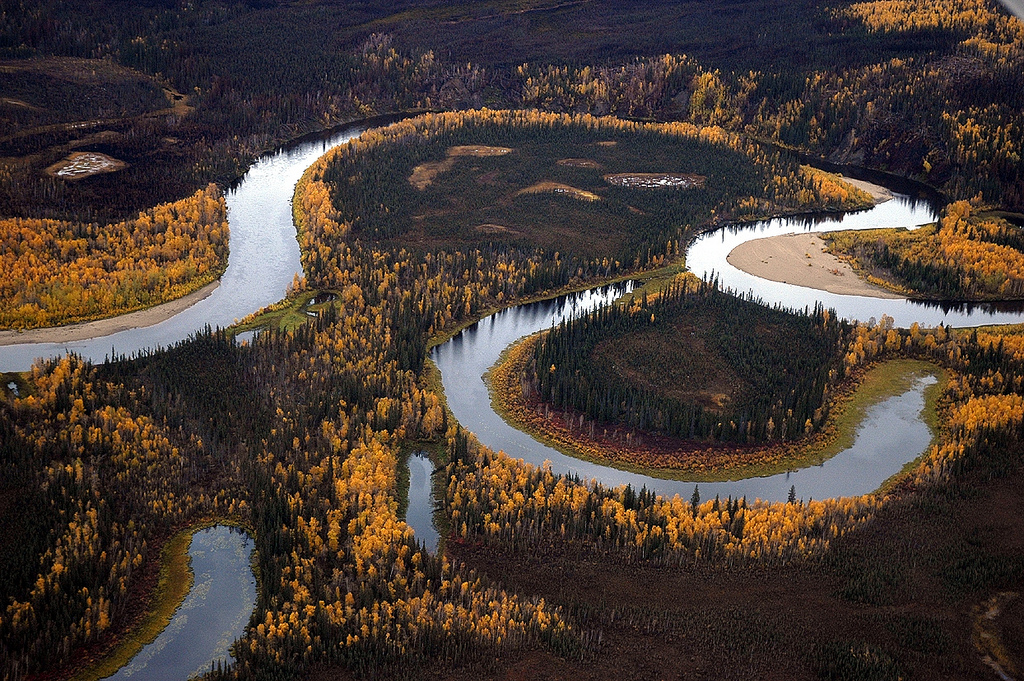
Overview
Kanuti National Wildlife Refuge is a protected area located in the state of Alaska, covering an expansive 1.634 million acres of land. Situated in the northern part of the state, the refuge spans across the Brooks Range and the Arctic foothills, making it a unique and diverse region. What makes Kanuti National Wildlife Refuge special is its vast wilderness, which provides a habitat for a wide variety of wildlife, including bears, moose, caribou, and eagles. The refuge was established in 1980 as part of the Alaska National Interest Lands Conservation Act (ANILCA) to conserve and protect the region’s natural and cultural resources.
The refuge’s designation history dates back to the early 20th century when the area was first identified as a potential wildlife refuge. However, it wasn’t until the 1980s that the refuge was officially established, with the primary goal of preserving the region’s wildlife and their habitats. Today, Kanuti National Wildlife Refuge is managed by the U.S. Fish and Wildlife Service and is one of the largest national wildlife refuges in the United States.
Getting There
To visit Kanuti National Wildlife Refuge, you’ll need to plan ahead and prepare for a remote adventure. The refuge is located at GPS coordinates 66.9667° N, 152.2333° W, and the nearest town is Coldfoot, which is about 60 miles away. The closest airport is the Coldfoot Airport, which offers limited commercial flights and charter services.
Access to the refuge is via the Dalton Highway (AK-11), which runs north-south through the state. From Fairbanks, take the Steese Highway (AK-2) north to the Dalton Highway, then continue north for approximately 200 miles to the refuge’s southern boundary. From there, you can take a gravel road or hike into the refuge. Keep in mind that the Dalton Highway is a rugged road, and driving conditions can be challenging, especially during the winter months.
Driving directions:
- From Fairbanks, take the Steese Highway (AK-2) north for 60 miles
- Turn left onto the Dalton Highway (AK-11) and continue north for 200 miles
- Turn left onto the gravel road leading to the refuge’s southern boundary
- Follow the road for 10 miles to the refuge’s entrance
Top Trails & Hikes
Kanuti National Wildlife Refuge offers several hiking trails and routes, ranging from easy day hikes to more challenging multi-day backpacking trips. Some of the top trails and hikes in the refuge include:
- Kanuti River Trail: A 20-mile trail that follows the Kanuti River and offers stunning views of the surrounding mountains and wildlife. The trail is considered moderate to difficult, with an elevation gain of 1,000 feet.
- Jim River Trail: A 15-mile trail that takes you through a scenic valley and offers opportunities to see wildlife, including bears and moose. The trail is considered easy to moderate, with an elevation gain of 500 feet.
- Arrigetch Peaks Trail: A challenging 30-mile trail that takes you to the summit of the Arrigetch Peaks, offering breathtaking views of the surrounding landscape. The trail is considered difficult, with an elevation gain of 3,000 feet.
Before embarking on any hike, be sure to check the trail conditions and difficulty level, and prepare accordingly. It’s also a good idea to bring a map, compass, and GPS device, as well as plenty of food, water, and emergency supplies.
Trail Difficulty Levels
The trails in Kanuti National Wildlife Refuge are rated as follows:
- Easy: Less than 5 miles, minimal elevation gain, well-maintained trail
- Moderate: 5-10 miles, moderate elevation gain, some obstacles
- Difficult: More than 10 miles, significant elevation gain, challenging terrain
Camping Options
Kanuti National Wildlife Refuge offers several camping options, including developed campgrounds, backcountry camping, and cabin rentals. Some of the campgrounds in the refuge include:
- Kanuti River Campground: A developed campground with 10 sites, located near the Kanuti River. The campground offers basic amenities, including picnic tables, grills, and vault toilets.
- Jim River Campground: A primitive campground with 5 sites, located near the Jim River. The campground offers minimal amenities, including a pit toilet and a water source.
Backcountry camping is also allowed in the refuge, but you’ll need to obtain a permit and follow the rules and regulations. Cabin rentals are available through the U.S. Fish and Wildlife Service, and offer a more comfortable and convenient option for visitors.
Wildlife
Kanuti National Wildlife Refuge is home to a wide variety of wildlife, including:
- Bears: Grizzly bears and black bears are common in the refuge, and can be seen in the summer months.
- Moose: Moose are abundant in the refuge, and can be seen in the wetlands and along the rivers.
- Caribou: The refuge is home to a large herd of caribou, which migrate through the area in the spring and fall.
- Eagles: Bald eagles and golden eagles are common in the refuge, and can be seen soaring overhead or perched in trees.
Some of the best viewing spots for wildlife in the refuge include:
- The Kanuti River, which offers stunning views of bears, moose, and caribou
- The Jim River, which is home to a large population of moose and caribou
- The Arrigetch Peaks, which offer breathtaking views of eagles and other birds of prey
Fishing & Water Activities
Kanuti National Wildlife Refuge offers several rivers and lakes, which are home to a variety of fish species, including:
- Salmon: King salmon, sockeye salmon, and coho salmon are common in the refuge’s rivers and streams.
- Trout: Rainbow trout and grayling are abundant in the refuge’s lakes and streams.
- Char: Arctic char and Dolly Varden are common in the refuge’s rivers and lakes.
To fish in the refuge, you’ll need to obtain a permit and follow the rules and regulations. Some of the best fishing spots in the refuge include:
- The Kanuti River, which offers excellent fishing for salmon and trout
- The Jim River, which is home to a large population of char and grayling
- The Arrigetch Lakes, which offer stunning views and excellent fishing for trout and char
Best Time to Visit
The best time to visit Kanuti National Wildlife Refuge depends on your interests and what you want to do. The refuge is open year-round, but the summer months (June to August) are the best time to visit for:
- Hiking and backpacking: The trails are generally dry and clear of snow, making it easier to hike and backpack.
- Wildlife viewing: The summer months are the best time to see bears, moose, and caribou, as they are more active and visible.
- Fishing: The summer months offer excellent fishing for salmon, trout, and char.
The winter months (December to March) are the best time to visit for:
- Skiing and snowshoeing: The refuge offers excellent skiing and snowshoeing opportunities, with plenty of snow and scenic trails.
- Dog sledding: The refuge is home to several dog sledding operators, which offer guided tours and rentals.
- Northern Lights: The winter months offer excellent viewing opportunities for the Northern Lights, which can be seen in the refuge’s dark skies.
Permits & Fees
To visit Kanuti National Wildlife Refuge, you’ll need to obtain a permit and pay a fee. The fees are as follows:
- Entry fee: $10 per person, per day
- Backcountry permit: $20 per person, per trip
- Fishing license: $20 per person, per day
You can obtain permits and pay fees at the refuge’s headquarters or online through the U.S. Fish and Wildlife Service website.
History & Culture
Kanuti National Wildlife Refuge has a rich and diverse history, with evidence of human presence dating back thousands of years. The refuge is home to several indigenous tribes, including the:
- Gwich’in: The Gwich’in people have lived in the refuge for thousands of years, and have a deep connection to the land and its resources.
- Inupiat: The Inupiat people have also lived in the refuge for thousands of years, and have a rich cultural heritage.
The refuge was also explored by European settlers, including:
- Robert Service: The famous poet and explorer visited the refuge in the early 20th century, and wrote about its beauty and wilderness.
- Jack London: The famous author and explorer visited the refuge in the early 20th century, and wrote about its rugged terrain and wildlife.
Today, the refuge is managed by the U.S. Fish and Wildlife Service, which works to conserve and protect the region’s natural and cultural resources.
Planning Your Trip
Planning a trip to Kanuti National Wildlife Refuge requires careful consideration and preparation. Here are some tips to help you plan your trip:
- How many days to spend: The refuge is vast and remote, and you’ll need to plan for at least 5-7 days to explore the area.
- What to bring: Be sure to bring plenty of food, water, and emergency supplies, as well as a map, compass, and GPS device.
- Guided tours: Consider hiring a guide or joining a guided tour to help you navigate the refuge and make the most of your trip.
Some of the best guided tour operators in the refuge include:
- Kanuti National Wildlife Refuge Guides: Offers guided hikes, backpacking trips, and wildlife viewing tours.
- Alaska Wilderness Guides: Offers guided hikes, backpacking trips, and dog sledding tours.
Remember to always follow the rules and regulations, and to respect the refuge’s natural and cultural resources. With careful planning and preparation, you’ll be able to have a safe and enjoyable trip to Kanuti National Wildlife Refuge.