Overview
Alaska, known as “The Last Frontier,” is a vast and rugged state with unparalleled natural beauty. From the majestic mountains to the pristine fjords, Alaska offers a unique and unforgettable experience for outdoor enthusiasts. As an expert Alaska outdoor guide, I have had the privilege of exploring this incredible state, and I am excited to share my knowledge with you. In this article, we will delve into the world of Alaska, exploring its many wonders, from hiking trails to campgrounds, and providing you with the essential information you need to plan your next adventure.
What makes Alaska so special is its untouched wilderness, teeming with wildlife, and breathtaking landscapes. With over 100 million acres of protected land, Alaska offers a wide range of outdoor activities, including hiking, camping, fishing, and wildlife viewing. Whether you are a seasoned adventurer or just starting to explore the great outdoors, Alaska has something for everyone.
Getting There & Access
Alaska is a vast state, and getting to your desired destination can be a challenge. The state has a limited road system, and many areas are accessible only by air or sea. However, with some planning, you can easily reach your destination. The main airports are located in Anchorage, Fairbanks, and Juneau, and from there, you can take a shuttle or rent a car to get to your final destination.
For those planning to hike or camp, it is essential to know the GPS coordinates of your destination. Some popular hiking trails and campgrounds have the following coordinates:
- Denali National Park: 63.7333° N, 149.4667° W
- Wrangell-St. Elias National Park: 61.5333° N, 142.6333° W
- Tongass National Forest: 57.0833° N, 135.3333° W
It is also important to note that some areas of Alaska are accessible only by foot or by boat. For example, the Gates of the Arctic National Park has no roads or trails, and visitors must be dropped off by air taxi or hike in from a nearby village.
What to Expect
Alaska is known for its rugged terrain and unpredictable weather. When hiking or camping, you can expect to encounter a variety of landscapes, from dense forests to steep mountains and pristine lakes. The terrain can be challenging, with steep inclines, rocky trails, and fast-flowing rivers.
Terrain and Scenery
The scenery in Alaska is breathtaking, with towering mountains, glaciers, and fjords. The state is home to some of the most beautiful and remote landscapes in the world, including the Denali National Park, which features North America’s highest peak, and the Wrangell-St. Elias National Park, which is the largest national park in the United States.
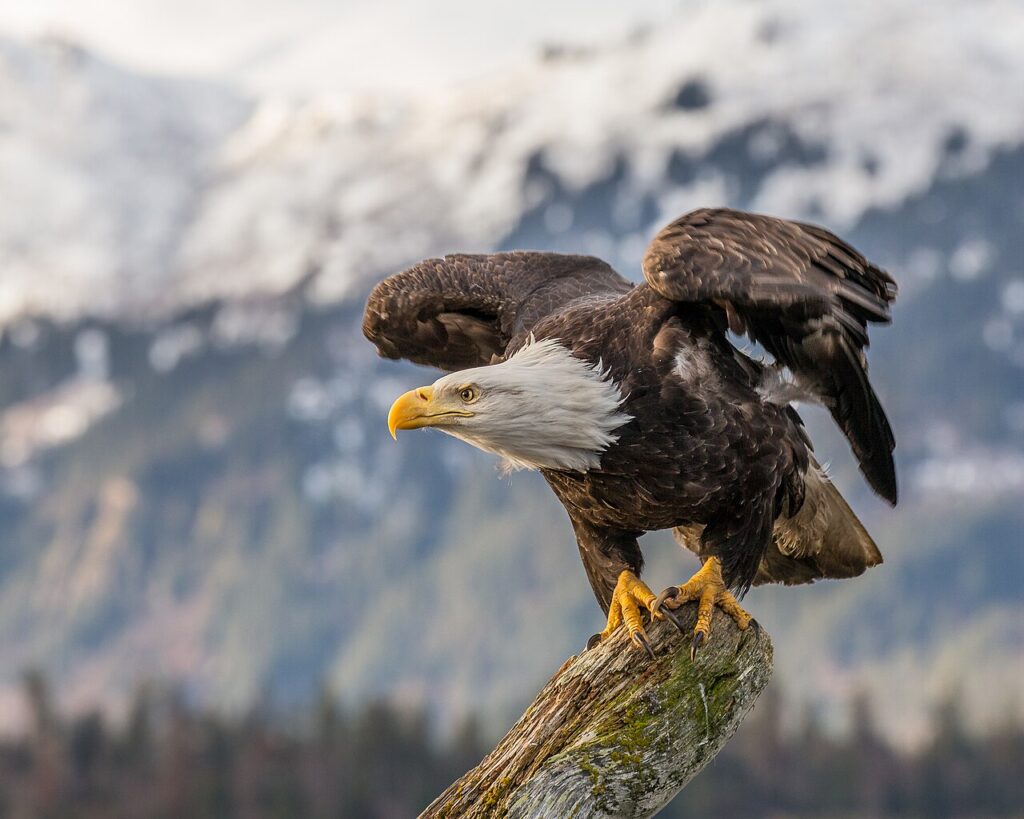
When hiking, you can expect to see a wide range of wildlife, including bears, moose, caribou, and Dall sheep. The state is also home to a variety of bird species, including eagles, hawks, and owls.
Best Time to Visit
The best time to visit Alaska depends on your interests and the activities you plan to do. The summer months (June to August) are the peak tourist season, with long days and warm weather. However, this is also the busiest time of year, and popular destinations can be crowded.
The shoulder season (April to May and September to October) is a great time to visit, with fewer crowds and lower prices. The weather can be unpredictable, but the scenery is still beautiful, and the wildlife is active.
The winter months (December to March) are ideal for dog sledding, skiing, and snow machining. However, the days are short, and the weather can be extremely cold.
It is essential to consider the daylight hours when planning your trip. In the summer, the sun can stay up for 20 hours or more, while in the winter, the days can be as short as 5 hours.
Essential Gear & Preparation
When hiking or camping in Alaska, it is essential to be prepared. The weather can be unpredictable, and the terrain can be challenging. Here are some essential items to bring:
- Hiking boots or sturdy shoes
- Waterproof jacket and pants
- Insulated sleeping bag and pad
- First aid kit
- Map and compass
- Headlamp or flashlight
- Bear spray
- Food and water
It is also important to prepare physically and mentally for your trip. Alaska can be a challenging environment, and it is essential to be in good physical condition and to have a positive attitude.
Wildlife & Safety
Alaska is home to a wide range of wildlife, including bears, moose, and caribou. When hiking or camping, it is essential to be aware of your surroundings and to take necessary precautions to avoid encounters with wildlife.
Bears
Bears are a significant concern in Alaska, and it is essential to know how to prevent encounters and what to do in case of an attack. Here are some tips:
- Make noise while hiking to avoid surprising bears
- Keep a clean campsite, and store food and trash properly
- Carry bear spray
- Know how to use bear spray
It is also important to be aware of other hazards, such as steep terrain, fast-flowing rivers, and unpredictable weather. Always check the weather forecast before heading out, and be prepared for changing conditions.
History & Background
Alaska has a rich and diverse history, with indigenous peoples inhabiting the region for thousands of years. The state is home to 22 federally recognized tribes, each with their own distinct culture and traditions.
The name “Alaska” comes from the Aleut word “alaxsxaq,” which means “mainland” or “shore.” The state was purchased from Russia in 1867 and became a U.S. territory in 1884. Alaska was admitted to the Union as the 49th state in 1959.
Tips from Locals
As an expert Alaska outdoor guide, I have learned a thing or two about exploring this incredible state. Here are some tips from locals:
- Be prepared for changing weather conditions
- Bring a map and compass, and know how to use them
- Respect the wildlife and their habitat
- Be aware of your surroundings, and take necessary precautions to avoid encounters with wildlife
- Bring a first aid kit, and know how to use the items in it
It is also essential to be flexible and to have a positive attitude. Alaska can be a challenging environment, and things do not always go as planned. However, with the right mindset and preparation, you can have an unforgettable adventure in this incredible state.
Nearby Attractions
Alaska is a vast state, and there are many attractions to explore. Here are some nearby attractions:
- Denali National Park: A must-visit destination for any outdoor enthusiast, with stunning mountain scenery and abundant wildlife
- Wrangell-St. Elias National Park: The largest national park in the United States, with breathtaking mountain scenery and glaciers
- Tongass National Forest: A beautiful forest with stunning scenery and abundant wildlife
- Juneau: The capital city of Alaska, with a rich history and culture
Planning Resources
Planning a trip to Alaska can be overwhelming, but with the right resources, you can have a stress-free and enjoyable experience. Here are some planning resources:
- Alaska Department of Natural Resources: http://dnr.alaska.gov
- Alaska State Parks: http://alaskastateparks.org
- U.S. Forest Service: http://www.fs.usda.gov
- Alaska Travel Industry Association: http://www.alaskatia.org
It is also essential to check the weather forecast and trail conditions before heading out. You can find this information on the websites listed above or by contacting the local park ranger station.
In conclusion, Alaska is an incredible state with unparalleled natural beauty and outdoor recreation opportunities. With the right preparation and planning, you can have an unforgettable adventure in this vast and rugged state. Remember to respect the wildlife and their habitat, be aware of your surroundings, and take necessary precautions to avoid encounters with wildlife. Happy trails!