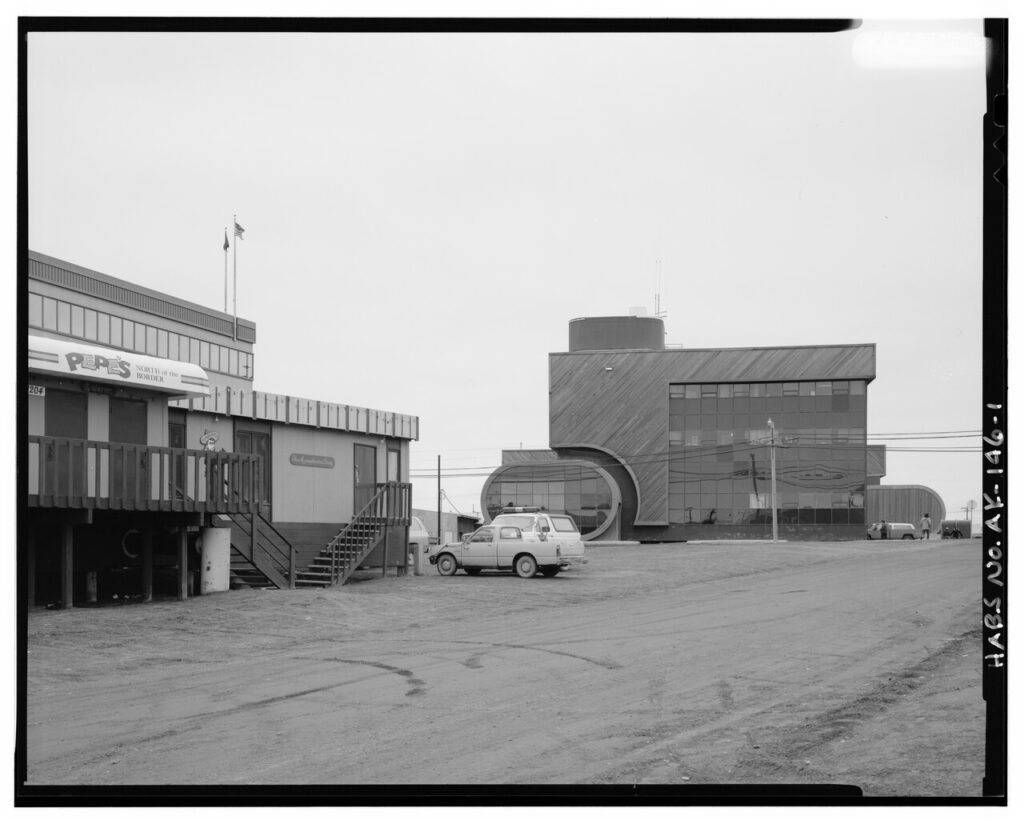
Overview
The Arctic and North Slope region of Alaska is a vast and remote area that offers unparalleled opportunities for outdoor adventure and exploration. Located in the far north of the state, this region is characterized by its unique and diverse landscapes, including tundras, mountains, and coastlines. The Arctic and North Slope are home to a wide range of wildlife, including caribou, bears, and whales, and offer breathtaking views of the Northern Lights. As an expert Alaska outdoor guide, I can attest that this region is a must-visit destination for anyone looking to experience the true wilderness of Alaska.
The Arctic and North Slope region is also rich in history and culture, with many indigenous communities calling this area home. The Inupiat people have lived in this region for thousands of years, and their traditional ways of life are still visible today. Visitors to the area can learn about the history and culture of the Inupiat people by visiting museums, attending cultural events, and taking part in traditional activities such as whale watching and dog sledding.
Getting There & Access
Getting to the Arctic and North Slope region of Alaska can be challenging, but there are several options available. The most common way to access the region is by flying into the city of Utqiagvik (formerly known as Barrow), which is located on the northernmost tip of Alaska. Utqiagvik is served by several airlines, including Alaska Airlines and Ravn Alaska, and offers a range of accommodations and amenities.
Alternatively, visitors can access the region by taking a boat or ship from other parts of Alaska. The city of Nome, which is located on the western coast of Alaska, offers regular ferry service to several communities in the Arctic and North Slope region. Visitors can also take a cruise ship to the region, which offers a more leisurely and comfortable way to see the sights.
For those who prefer to drive, the Dalton Highway (also known as the Haul Road) offers access to the Arctic and North Slope region from the city of Fairbanks. The highway is approximately 414 miles long and takes around 10-12 hours to drive, depending on road conditions. The GPS coordinates for the start of the highway are 64.8433° N, 147.7233° W.
- Utqiagvik: 71.2906° N, 156.7813° W
- Nome: 64.5014° N, 165.4064° W
- Dalton Highway: 64.8433° N, 147.7233° W
What to Expect
The Arctic and North Slope region of Alaska is a unique and rugged environment that offers a wide range of outdoor activities and experiences. Visitors to the area can expect to see breathtaking landscapes, including tundras, mountains, and coastlines, as well as a wide range of wildlife, including caribou, bears, and whales.
Terrain and Scenery
The terrain in the Arctic and North Slope region is varied and can be challenging. The tundra is characterized by low-lying vegetation and wet soils, while the mountains are steep and rocky. The coastline offers stunning views of the Arctic Ocean and surrounding landscape.
Some of the most popular outdoor activities in the region include hiking, camping, fishing, and wildlife viewing. Visitors can hike to the top of mountains, camp in remote areas, and fish for species such as salmon and char. The region is also home to a wide range of wildlife, including caribou, bears, and whales, which can be viewed on guided tours or by venturing out into the wilderness.
Best Time to Visit
The best time to visit the Arctic and North Slope region of Alaska depends on your interests and what you want to do. The summer months (June to August) offer the longest days and warmest temperatures, making it the best time for hiking, camping, and outdoor activities. The fall months (September to November) offer stunning views of the Northern Lights, as well as opportunities for hunting and fishing.
The winter months (December to February) are the coldest and darkest, but offer opportunities for dog sledding, snow machining, and viewing the Northern Lights. The spring months (March to May) offer a unique opportunity to see the region come alive after a long winter, with temperatures slowly warming up and days getting longer.
It’s worth noting that the Arctic and North Slope region is subject to extreme weather conditions, including blizzards, high winds, and extreme cold. Visitors should be prepared for these conditions and take necessary precautions to stay safe.
- Summer: June to August
- Fall: September to November
- Winter: December to February
- Spring: March to May
Essential Gear & Preparation
Visiting the Arctic and North Slope region of Alaska requires careful planning and preparation. Visitors should bring essential gear, including warm clothing, sturdy boots, and waterproof gear. It’s also important to bring a first aid kit, a map and compass, and a means of communication, such as a satellite phone or two-way radio.
Visitors should also be prepared for extreme weather conditions, including blizzards, high winds, and extreme cold. This includes bringing warm and waterproof clothing, as well as a tent and sleeping bag that can withstand extreme conditions.
In addition to gear, visitors should also be prepared physically and mentally for the challenges of traveling in the Arctic and North Slope region. This includes being in good physical shape, having experience with outdoor activities, and being able to navigate and communicate in remote areas.
- Warm clothing
- Sturdy boots
- Waterproof gear
- First aid kit
- Map and compass
- Means of communication
- Tent and sleeping bag
Wildlife & Safety
The Arctic and North Slope region of Alaska is home to a wide range of wildlife, including caribou, bears, and whales. Visitors should be aware of their surroundings and take necessary precautions to stay safe, including making noise while hiking, staying in groups, and carrying bear spray.
Visitors should also be aware of the potential for extreme weather conditions, including blizzards, high winds, and extreme cold. This includes being prepared for emergencies, such as having a plan for shelter and communication, and being able to navigate and find help if needed.
In addition to wildlife and weather hazards, visitors should also be aware of other potential safety risks, including steep terrain, fast-moving water, and remote areas with limited access to medical care.
- Make noise while hiking
- Stay in groups
- Carry bear spray
- Be prepared for emergencies
- Be aware of steep terrain and fast-moving water
History & Background
The Arctic and North Slope region of Alaska has a rich and diverse history, with many indigenous communities calling this area home. The Inupiat people have lived in this region for thousands of years, and their traditional ways of life are still visible today.
The region was also home to several early explorers and traders, including the Vikings and the Russians. The city of Utqiagvik was established in the late 19th century as a whaling station, and has since grown into a thriving community with a strong sense of culture and tradition.
Today, the Arctic and North Slope region is an important part of Alaska’s economy and culture, with many residents relying on traditional activities such as hunting and fishing to make a living. Visitors to the area can learn about the history and culture of the region by visiting museums, attending cultural events, and taking part in traditional activities such as whale watching and dog sledding.
Tips from Locals
As an expert Alaska outdoor guide, I’ve had the opportunity to talk to many locals and visitors to the Arctic and North Slope region. Here are a few tips and insights that can help make your trip more enjoyable and successful:
Be prepared for extreme weather conditions, including blizzards, high winds, and extreme cold. Bring warm and waterproof clothing, as well as a tent and sleeping bag that can withstand extreme conditions.
Respect the local culture and environment, including the traditional ways of life of the Inupiat people and the fragile and unique ecosystems of the region. Take the time to learn about the history and culture of the area, and be mindful of your impact on the environment.
Be aware of your surroundings and take necessary precautions to stay safe, including making noise while hiking, staying in groups, and carrying bear spray. Be prepared for emergencies, such as having a plan for shelter and communication, and being able to navigate and find help if needed.
- Be prepared for extreme weather conditions
- Respect the local culture and environment
- Be aware of your surroundings and take necessary precautions to stay safe
Nearby Attractions
The Arctic and North Slope region of Alaska is surrounded by a wide range of attractions and activities, including national parks, wildlife refuges, and traditional indigenous communities. Some of the most popular nearby attractions include:
- Gates of the Arctic National Park
- Arctic National Wildlife Refuge
- Noatak National Preserve
- Kobuk Valley National Park
- Utqiagvik (formerly known as Barrow)
Planning Resources
Planning a trip to the Arctic and North Slope region of Alaska requires careful research and preparation. Here are a few resources that can help:
The Alaska Department of Fish and Game offers information on hunting and fishing regulations, as well as tips and insights on outdoor activities in the region.
The U.S. Fish and Wildlife Service offers information on national wildlife refuges and other protected areas in the region, including the Arctic National Wildlife Refuge and the Noatak National Preserve.
The City of Utqiagvik offers information on accommodations, amenities, and activities in the city, including cultural events and traditional indigenous activities.
- Alaska Department of Fish and Game: https://www.adfg.alaska.gov
- U.S. Fish and Wildlife Service: https://www.fws.gov
- City of Utqiagvik: https://www.utqiagvik.org