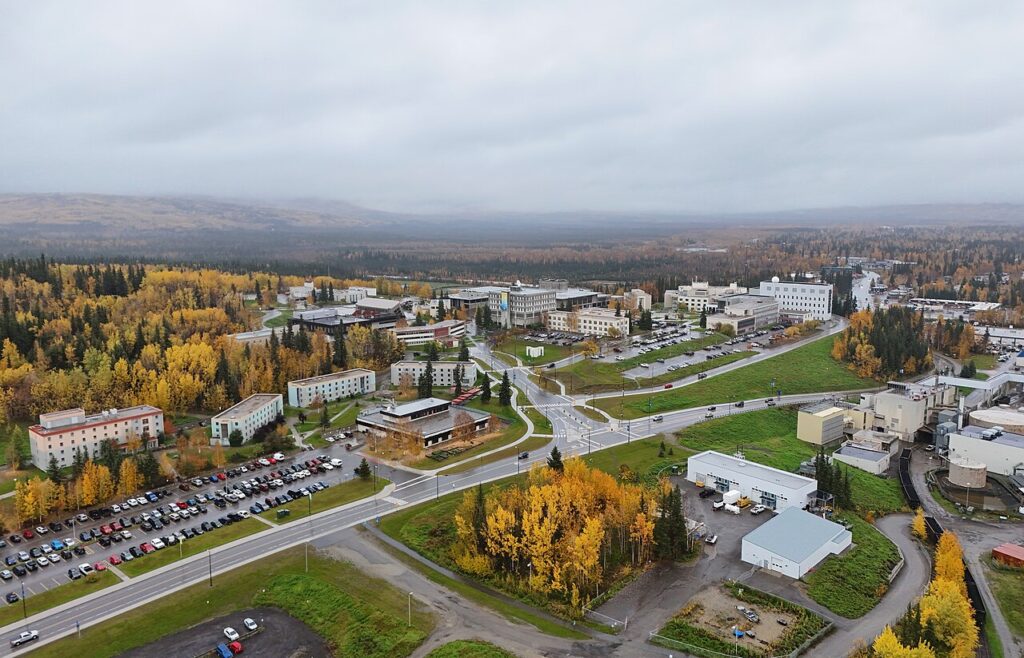
Overview
Fairbanks and Interior Alaska offer a unique blend of wilderness adventure, stunning natural beauty, and rich cultural heritage. As an Alaska outdoor guide, I can attest that this region is a must-visit destination for anyone looking to experience the best of Alaska’s great outdoors. From the majestic Chena River State Recreation Area to the stunning scenery of Denali National Park, Fairbanks and Interior Alaska are home to some of the most spectacular hiking trails, campgrounds, and parks in the state.
With its proximity to the Arctic Circle, Fairbanks and Interior Alaska offer a distinct advantage for outdoor enthusiasts: the opportunity to experience the midnight sun, the aurora borealis, and the vast, untouched wilderness of Alaska’s interior. Whether you’re a seasoned hiker, a nature lover, or simply looking for a unique adventure, Fairbanks and Interior Alaska have something to offer.
Getting There & Access
Fairbanks is located in the heart of Alaska’s interior, approximately 360 miles north of Anchorage. The city is accessible by car, plane, or bus, with several transportation options available. By car, take the Parks Highway (AK-3) from Anchorage or the Richardson Highway (AK-4) from Valdez. Fairbanks International Airport (FAI) offers flights from major airlines, including Alaska Airlines and Delta Air Lines.
For those looking to explore the surrounding wilderness, several trailheads and campgrounds are accessible by car or shuttle. The Chena River State Recreation Area, for example, is located at GPS coordinates: 64.7833, -146.95, approximately 30 miles east of Fairbanks. The Denali National Park entrance is located at GPS coordinates: 63.7333, -148.9667, approximately 120 miles south of Fairbanks.
- Distance from Anchorage: 360 miles
- Distance from Denali National Park: 120 miles
- GPS coordinates: Fairbanks (64.8433, -147.7333), Chena River State Recreation Area (64.7833, -146.95), Denali National Park (63.7333, -148.9667)
What to Expect
Terrain and Scenery
The terrain in Fairbanks and Interior Alaska is characterized by vast expanses of wilderness, including forests, tundras, and mountains. The Chena River State Recreation Area, for example, features over 250,000 acres of wilderness, with numerous hiking trails, campgrounds, and scenic overlooks. Denali National Park, on the other hand, is home to North America’s highest peak, with stunning mountain vistas and abundant wildlife viewing opportunities.
The scenery in Fairbanks and Interior Alaska is nothing short of breathtaking. From the stunning displays of the aurora borealis to the vibrant wildflowers of the tundra, the region is a nature lover’s paradise. With its unique blend of boreal forest and arctic tundra, the region is home to a diverse array of wildlife, including moose, caribou, bears, and wolves.
Best Time to Visit
The best time to visit Fairbanks and Interior Alaska depends on your interests and preferences. Summer (June to August) offers long days, warm temperatures, and access to hiking trails and campgrounds. Winter (December to March) offers opportunities for dog sledding, skiing, and viewing the aurora borealis. Spring (April to May) and fall (September to November) offer mild temperatures and fewer crowds, making them ideal for hiking and wildlife viewing.
Keep in mind that the region experiences almost 24 hours of daylight in the summer and complete darkness in the winter. Be sure to plan accordingly, with extra layers, sunscreen, and a headlamp or flashlight.
- Summer (June to August): 20 hours of daylight, warm temperatures (60s-80s Fahrenheit)
- Winter (December to March): complete darkness, cold temperatures (-20s to -40s Fahrenheit)
- Spring (April to May): 18 hours of daylight, mild temperatures (40s-60s Fahrenheit)
- Fall (September to November): 12 hours of daylight, cool temperatures (30s-50s Fahrenheit)
Essential Gear & Preparation
When venturing into the wilderness of Fairbanks and Interior Alaska, it’s essential to be prepared with the right gear and knowledge. Bring:
- Hiking boots or sturdy shoes
- Layers of breathable clothing
- Rain gear and waterproof jacket
- First aid kit and emergency shelter
- Map, compass, and GPS device or smartphone with GPS app
- Headlamp or flashlight and extra batteries
- Bear spray and knowledge of bear safety protocols
- Mosquito repellent and netting (in summer)
Be sure to check the weather forecast before heading out and plan accordingly. Let someone know your itinerary and expected return time, and always carry a means of communication, such as a satellite phone or two-way radio.
Wildlife & Safety
Fairbanks and Interior Alaska are home to a diverse array of wildlife, including bears, moose, caribou, and wolves. When hiking or camping, be sure to follow bear safety protocols, including making noise while hiking, storing food and trash properly, and carrying bear spray.
Other safety considerations include:
- Mosquitoes and other insects (in summer)
- Inclement weather, including rain, snow, and extreme cold
- Remote terrain and potential for getting lost
- Wildlife encounters, including moose and caribou
Be sure to check with local authorities and park rangers for up-to-date information on trail conditions, weather, and wildlife activity.
History & Background
Fairbanks and Interior Alaska have a rich cultural and historical heritage, with evidence of human habitation dating back thousands of years. The region is home to several indigenous tribes, including the Athabascan and Inupiat, who have lived in harmony with the land for centuries.
The city of Fairbanks was founded in 1902, during the gold rush era, and quickly grew into a thriving mining community. Today, the region is a popular destination for outdoor enthusiasts, with numerous parks, trails, and campgrounds.
The name “Fairbanks” comes from Senator Charles Fairbanks, who served as Vice President under Theodore Roosevelt. The region’s indigenous heritage is reflected in the names of many geographic features, including the Chena River, which is named after the Athabascan word for “river”.
Tips from Locals
As a local guide, I can offer several tips for making the most of your visit to Fairbanks and Interior Alaska:
- Be sure to try some of the local cuisine, including reindeer sausages and akutaq (Eskimo ice cream)
- Take a scenic drive along the Chena Hot Springs Road, which offers stunning views of the surrounding wilderness
- Visit the University of Alaska Museum of the North, which features exhibits on the region’s natural and cultural history
- Consider taking a guided hike or tour, which can provide valuable insights into the region’s geology, wildlife, and history
Avoid common mistakes, such as:
- Underestimating the power of the sun and wind in the summer
- Not bringing enough layers for cold weather
- Not respecting wildlife and their habitats
- Not bringing a map and compass or GPS device
Nearby Attractions
There are numerous attractions and activities to explore in and around Fairbanks, including:
- Denali National Park and Preserve
- Chena Hot Springs Resort
- University of Alaska Museum of the North
- Fairbanks Ice Museum
- Gold Dredge 8
Be sure to check the opening hours and admission fees for each attraction, and plan your itinerary accordingly.
Planning Resources
For more information on planning your trip to Fairbanks and Interior Alaska, be sure to check the following resources:
- Alaska Department of Natural Resources: for information on state parks, trails, and campgrounds
- Denali National Park and Preserve: for information on park rules, regulations, and activities
- Fairbanks Convention and Visitors Bureau: for information on local attractions, accommodations, and events
- Alaska Travel Industry Association: for information on tour operators, guides, and travel packages
Be sure to check the official websites for up-to-date information on permits, fees, and regulations, and to plan your trip accordingly.