Overview
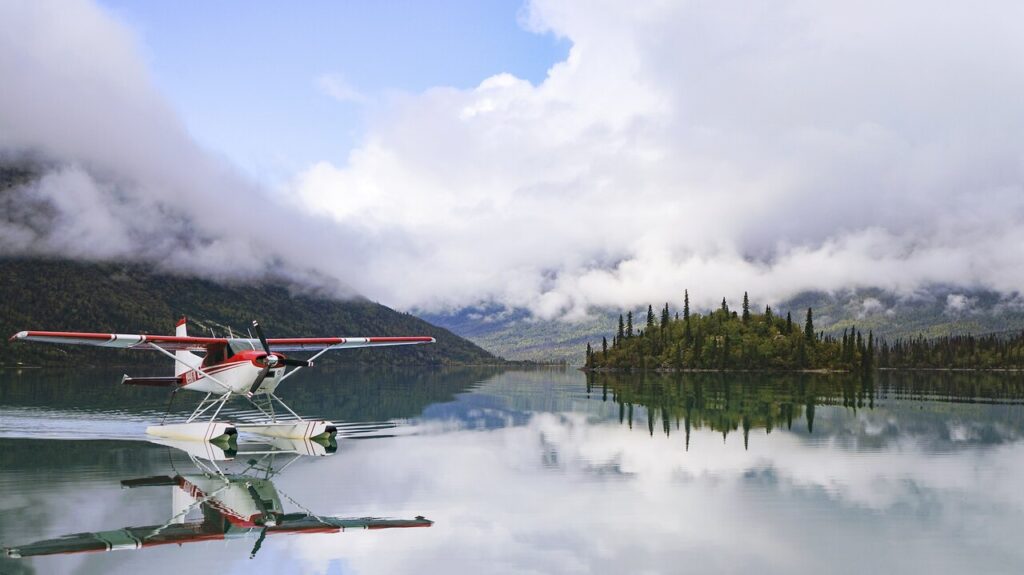
Lake Clark National Park & Preserve is a vast and remote wilderness area located in southwestern Alaska, approximately 100 miles southwest of Anchorage. With a total area of 4,030,015 acres, it is one of the largest national parks in the United States. The park is situated at the conjunction of three mountain ranges: the Alaska Range, the Aleutian Range, and the Revelation Mountains. What makes Lake Clark National Park & Preserve special is its incredible diversity of landscapes, including glaciers, volcanoes, rivers, lakes, and tundras, which support a wide range of wildlife and vegetation.
The park was designated as a national park and preserve in 1980, with the intention of preserving its natural and cultural resources for future generations. The park’s designation history is closely tied to the efforts of conservationists and local communities, who worked together to protect the area’s unique landscapes and wildlife habitats.
Getting There
To get to Lake Clark National Park & Preserve, visitors can fly into Anchorage International Airport (ANC) and then take a charter flight or a small plane to Port Alsworth, which is the park’s main entrance point. The GPS coordinates for Port Alsworth are 60.4667° N, 153.3167° W. From Port Alsworth, visitors can take a shuttle or rent a car to get to the park’s visitor center, which is located at 60.4667° N, 153.3167° W.
There are no roads that connect Lake Clark National Park & Preserve to the rest of Alaska, so visitors must either fly in or take a boat to access the park. The nearest town is Port Alsworth, which has a few amenities, including a general store, a post office, and a few lodges. The driving distance from Anchorage to Port Alsworth is approximately 220 miles, but the road ends at the town of Iliamna, and from there, visitors must take a boat or a plane to get to Port Alsworth.
The nearest airports to Lake Clark National Park & Preserve are:
- Anchorage International Airport (ANC)
- Port Alsworth Airport (PTA)
- Iliamna Airport (ILI)
The driving directions to Port Alsworth are:
- From Anchorage, take the Seward Highway (AK-1) to the Sterling Highway (AK-1)
- Continue on the Sterling Highway to the town of Iliamna
- From Iliamna, take a boat or a plane to Port Alsworth
Top Trails & Hikes
Lake Clark National Park & Preserve has many hiking trails that offer stunning views of the surrounding landscapes and access to remote wilderness areas. Some of the top trails and hikes in the park include:
1. The Tlikakila River Trail
This trail is approximately 20 miles long and takes hikers through a scenic river valley surrounded by mountains and glaciers. The trail is considered moderate to difficult and takes around 5-7 days to complete.
2. The Lake Clark Trail
This trail is approximately 30 miles long and takes hikers around the shores of Lake Clark, offering stunning views of the surrounding mountains and lakes. The trail is considered moderate and takes around 7-10 days to complete.
3. The Twin Lakes Trail
This trail is approximately 10 miles long and takes hikers through a scenic valley surrounded by mountains and lakes. The trail is considered easy to moderate and takes around 2-3 days to complete.
The distances and difficulty levels of the trails in Lake Clark National Park & Preserve are:
- Tlikakila River Trail: 20 miles, moderate to difficult
- Lake Clark Trail: 30 miles, moderate
- Twin Lakes Trail: 10 miles, easy to moderate
Camping Options
Lake Clark National Park & Preserve has several camping options, including developed campgrounds, backcountry camping, and cabin rentals. The park’s developed campgrounds are:
- Port Alsworth Campground: located near the park’s visitor center, this campground has 10 sites and offers basic amenities such as picnic tables, grills, and vault toilets.
- Lake Clark Campground: located on the shores of Lake Clark, this campground has 5 sites and offers basic amenities such as picnic tables, grills, and vault toilets.
The park also offers backcountry camping in remote wilderness areas, which requires a permit and knowledge of wilderness camping skills. Additionally, the park has several cabin rentals available, which offer more comfort and amenities than camping.
Wildlife
Lake Clark National Park & Preserve is home to a wide range of wildlife, including:
- Brown bears: the park is known for its high concentration of brown bears, which can be seen in the park’s rivers, lakes, and meadows.
- Moose: the park is home to a large population of moose, which can be seen in the park’s wetlands and forests.
- Caribou: the park is home to a large herd of caribou, which can be seen in the park’s tundras and mountains.
- Eagles: the park is home to several species of eagles, including bald eagles and golden eagles, which can be seen in the park’s skies and near its lakes and rivers.
The best viewing spots for wildlife in the park are:
- The Tlikakila River: known for its high concentration of brown bears and salmon.
- The Lake Clark shoreline: offers stunning views of the surrounding mountains and lakes, and is a good spot to see moose and caribou.
- The park’s tundras: offers stunning views of the surrounding mountains and is a good spot to see caribou and eagles.
Fishing & Water Activities
Lake Clark National Park & Preserve has many rivers, lakes, and streams that offer excellent fishing and boating opportunities. The park is home to several species of fish, including:
- Salmon: the park’s rivers and streams are home to several species of salmon, including sockeye, king, and coho.
- Trout: the park’s lakes and streams are home to several species of trout, including rainbow and brook trout.
- Grayling: the park’s lakes and streams are home to several species of grayling, including arctic grayling and brook grayling.
The permits needed for fishing in the park are:
- Alaska fishing license
- Park fishing permit
The best fishing spots in the park are:
- The Tlikakila River: known for its high concentration of salmon and trout.
- Lake Clark: offers stunning views of the surrounding mountains and is a good spot to see trout and grayling.
- The park’s streams and creeks: offer excellent fishing opportunities for trout and grayling.
Best Time to Visit
The best time to visit Lake Clark National Park & Preserve depends on the activities you have planned and the weather conditions. The park is open year-round, but the peak visitation season is from June to September, when the weather is warmest and the days are longest.
The season-by-season breakdown is:
- Spring (April to May): the park’s landscapes are still covered in snow, but the days are getting longer and the weather is getting warmer.
- Summer (June to August): the park’s landscapes are in full bloom, and the weather is warm and sunny.
- Fall (September to October): the park’s landscapes are changing colors, and the weather is getting cooler.
- Winter (November to March): the park’s landscapes are covered in snow, and the weather is cold and dark.
The weather conditions in the park can be unpredictable, with sudden changes in temperature and precipitation. Visitors should be prepared for:
- Rain and snow
- Wind and storms
- Cold temperatures
Permits & Fees
Lake Clark National Park & Preserve has several entry fees and permits that are required for visitors. The entry fee is $10 per person, and the backcountry permit is $5 per person per night. The fishing license is required for fishing in the park, and the cost is $20 per day for non-residents.
The fees and permits required for visitors are:
- Entry fee: $10 per person
- Backcountry permit: $5 per person per night
- Fishing license: $20 per day for non-residents
History & Culture
Lake Clark National Park & Preserve has a rich and diverse indigenous history, with several Native American tribes having lived in the area for thousands of years. The park is also home to several archaeological sites, including ancient fishing camps and hunting trails.
The exploration history of the park is closely tied to the establishment of the park, which was designated as a national park and preserve in 1980. The park’s cultural resources are managed by the National Park Service, which works to preserve and protect the park’s natural and cultural resources for future generations.
Planning Your Trip
Planning a trip to Lake Clark National Park & Preserve requires careful consideration of several factors, including the time of year, the activities you have planned, and the weather conditions. The number of days to spend in the park depends on the activities you have planned, but most visitors spend at least 5-7 days in the park.
The things to bring include:
- Hiking boots and gear
- Camping equipment
- Fishing gear
- Binoculars and camera
- Map and compass
- First aid kit
The guided tours available in the park include:
- Hiking and backpacking trips
- Fishing and boating trips
- Wildlife viewing and photography trips
- Cultural and historical tours
Visitors can also hire a guide or outfitter to help plan and lead their trip. The park’s visitor center is a good place to start planning your trip, and the park’s website has a wealth of information on the park’s trails, campgrounds, and activities.