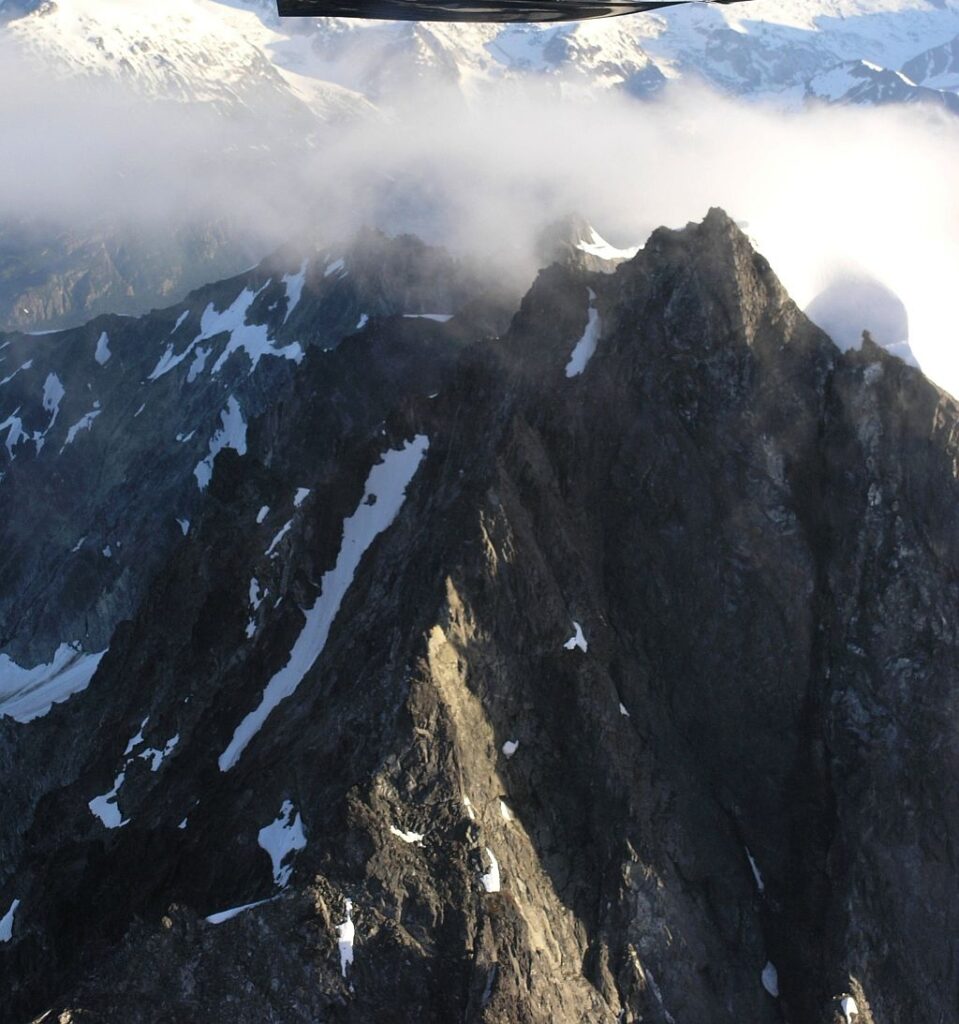
Overview
The Kenai Peninsula is a paradise for outdoor enthusiasts, offering a diverse range of landscapes, from rugged coastlines and fjords to glaciers, mountains, and vast wilderness areas. Located in south-central Alaska, the Kenai Peninsula is a haven for hikers, campers, anglers, and wildlife enthusiasts. With its stunning natural beauty, abundant wildlife, and endless opportunities for adventure, the Kenai Peninsula is a must-visit destination for anyone exploring Alaska’s great outdoors.
From the scenic Seward Highway to the remote wilderness of the Kenai National Wildlife Refuge, the Kenai Peninsula is a treasure trove of outdoor experiences. With its unique blend of coastal and mountainous terrain, the Kenai Peninsula offers something for every interest and skill level, from easy day hikes to multi-day backpacking trips and from fishing and kayaking to wildlife viewing and photography.
Getting There & Access
To get to the Kenai Peninsula, fly into Ted Stevens Anchorage International Airport (ANC) and rent a car or take a shuttle to your destination. The Kenai Peninsula is accessible via the Seward Highway (AK-1) and the Sterling Highway (AK-1), which connect Anchorage to the towns of Seward, Homer, and Kenai. GPS coordinates for key locations include:
- Seward: 60.1042° N, 149.4428° W
- Homer: 59.6423° N, 151.5483° W
- Kenai: 60.5547° N, 151.2583° W
Public transportation options are limited, but the Alaska Marine Highway System offers ferry service from Whittier to Seward and Homer. Private shuttle services and guided tours are also available from Anchorage and other nearby towns.
What to Expect
The Kenai Peninsula offers a wide range of outdoor experiences, from hiking and backpacking to fishing, kayaking, and wildlife viewing. The terrain is varied, with rugged coastlines, glaciers, mountains, and vast wilderness areas. The scenery is breathtaking, with stunning vistas of mountains, fjords, and wildlife habitats.
Terrain and Trail Information
The Kenai Peninsula has over 1,000 miles of hiking trails, ranging from easy day hikes to multi-day backpacking trips. The terrain is varied, with coastal trails, mountain trails, and wilderness trails. Some popular hiking trails include:
- Exit Glacier/Harding Icefield Trail: 8.2 miles, 3,000 ft elevation gain
- Lost Lake Trail: 14 miles, 1,000 ft elevation gain
- Skilak Lake Loop Trail: 19 miles, 1,500 ft elevation gain
The trails offer stunning views of glaciers, mountains, and wildlife habitats, as well as opportunities to see bears, moose, caribou, and other wildlife.
Best Time to Visit
The best time to visit the Kenai Peninsula depends on your interests and the activities you want to do. Summer (June to August) is the peak tourist season, with warm weather, long days, and access to most trails and attractions. Spring (April to May) and fall (September to October) are also great times to visit, with fewer crowds and comfortable temperatures.
Winter (November to March) is a good time for skiing, snowshoeing, and dog sledding, but many trails and attractions are closed due to snow and ice. The Kenai Peninsula has a subarctic climate, with cold winters and mild summers. Be prepared for variable weather, with rain, wind, and sun, and pack layers for changing temperatures.
Essential Gear & Preparation
To ensure a safe and enjoyable trip to the Kenai Peninsula, it’s essential to bring the right gear and be prepared for the terrain and weather. Some essential items include:
- Hiking boots and trekking poles
- Waterproof jacket and pants
- Insulating layers and warm hat
- First aid kit and emergency shelter
- Map and compass and/or GPS device
- Bear spray and bear-resistant food container
It’s also important to check the weather forecast and trail conditions before heading out and to let someone know your itinerary and expected return time.
Wildlife & Safety
The Kenai Peninsula is home to a wide range of wildlife, including bears, moose, caribou, and wolves. To stay safe, it’s essential to be aware of your surroundings and take precautions to avoid encounters with wildlife. Some tips include:
- Make noise while hiking to avoid surprising bears and other animals
- Stay in groups and avoid hiking alone
- Keep a clean campsite and store food and trash properly
- Be aware of your surroundings and watch for signs of wildlife, such as tracks and scat
In case of an emergency, know what to do and have a plan in place. Carry a first aid kit and know how to use the items in it. Have a means of communication, such as a cell phone or satellite phone, and know how to use it.
History & Background
The Kenai Peninsula has a rich cultural and natural history, with evidence of human habitation dating back thousands of years. The indigenous people of the area, the Dena’ina and the Sugpiaq, have a deep connection to the land and its resources. The name “Kenai” comes from the Dena’ina word “kena,” meaning “flat land” or “flat country.”
The Kenai Peninsula was also an important location for early Russian and American explorers and traders, who came to the area in search of fur and other natural resources. Today, the Kenai Peninsula is a popular destination for outdoor enthusiasts and nature lovers, with its stunning natural beauty, abundant wildlife, and rich cultural heritage.
Tips from Locals
As a local guide, I can offer some insider tips for exploring the Kenai Peninsula. Some of my favorite hidden gems include:
- The Seavey’s Iditarod Kennels in Seward, where you can learn about the history of dog sledding and take a tour of the kennels
- The Kenai Fjords National Park, which offers stunning views of glaciers, fjords, and wildlife habitats
- The Kenai River, which is famous for its salmon fishing and offers stunning views of the surrounding mountains and wildlife habitats
Some common mistakes to avoid include:
- Not bringing enough layers for changing temperatures
- Not being prepared for variable weather, including rain and wind
- Not respecting wildlife habitats and keeping a safe distance from animals
Nearby Attractions
There are many other things to do and see in the area, including:
- Prince William Sound, which offers stunning views of glaciers, fjords, and wildlife habitats
- Wrangell-St. Elias National Park, which is the largest national park in the United States and offers stunning views of mountains, glaciers, and wildlife habitats
- The Alaska SeaLife Center in Seward, which offers a unique look at marine wildlife, including sea lions, sea otters, and puffins
These attractions offer a range of outdoor experiences, from hiking and kayaking to wildlife viewing and photography.
Planning Resources
To plan your trip to the Kenai Peninsula, here are some useful resources:
- Kenai Peninsula Tourism Marketing Council: (907) 262-5229, www.kenaipeninsula.org
- Kenai National Wildlife Refuge: (907) 262-7021, www.fws.gov/refuge/kenai
- Alaska State Parks: (907) 269-8400, www.alaskastateparks.org
Permits and fees may be required for some activities, such as hiking, camping, and fishing. Be sure to check with the relevant authorities before heading out and to follow all rules and regulations to minimize your impact on the environment.