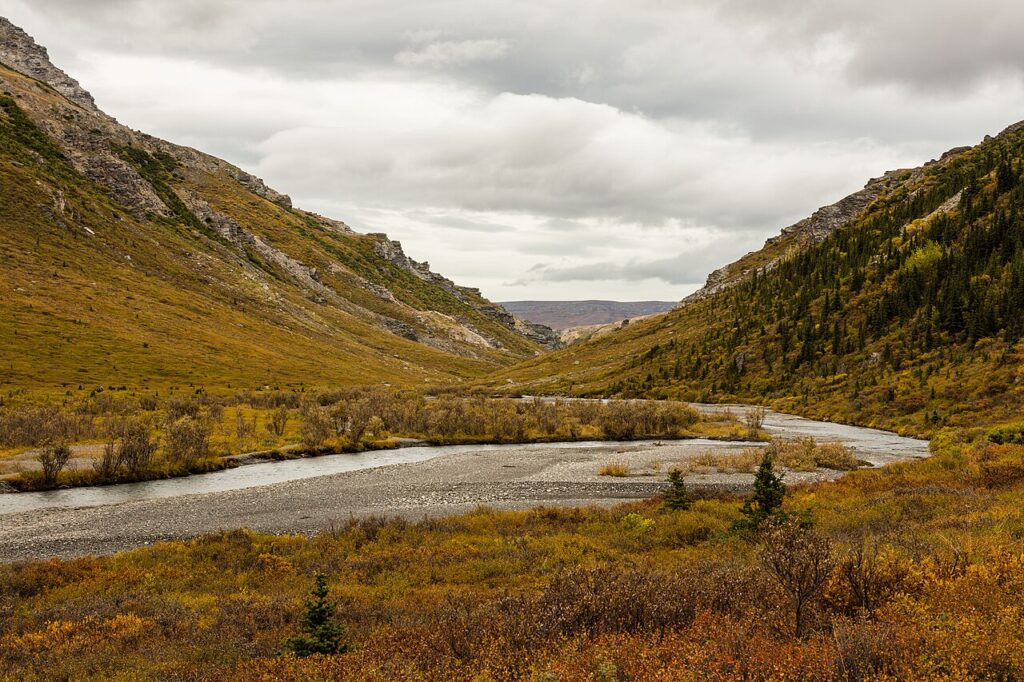
Introduction to Savage River
Savage River is a stunning destination located in the heart of Denali National Park and Preserve, Alaska. As an expert Alaska outdoor guide, I can attest that this river is a must-visit for any nature enthusiast or adventure seeker. The river’s unique combination of breathtaking scenery, diverse wildlife, and exciting outdoor activities makes it an ideal spot for hiking, camping, and exploring. In this comprehensive article, we will delve into the details of Savage River, covering its location, description, best times to visit, essential gear, wildlife safety, historical background, and practical tips.
Location Details
Savage River is situated in the northern part of Denali National Park and Preserve, approximately 15 miles north of the park’s headquarters. The river’s GPS coordinates are 63.8833° N, 149.2833° W. To get to Savage River, take the Park Road from the Denali National Park and Preserve entrance, and drive for about 15 miles until you reach the Savage River Campground. From there, you can access the river and its surrounding trails.
For those using public transportation, the Denali National Park and Preserve Shuttle Bus stops at the Savage River Campground, making it easily accessible. The bus operates from late May to mid-September, and the schedule can be found on the park’s website.
Directions from Anchorage
If you’re driving from Anchorage, take the Glenn Highway (AK-1) north towards Fairbanks. After approximately 360 miles, take the exit for the Parks Highway (AK-3) and continue north for another 100 miles. Turn left onto the Denali National Park and Preserve entrance road, and follow the signs to the Park Road. From there, drive for about 15 miles until you reach the Savage River Campground.
Detailed Description
Savage River is a glacial-fed river that originates from the glaciers of the Alaska Range. The river flows for approximately 25 miles before emptying into the Tanana River. The river’s name “Savage” was given by the early explorers due to its turbulent and unpredictable nature. The river’s waters are crystal clear, with a striking blue-green color, and are home to a variety of fish species, including salmon, trout, and grayling.
The surrounding landscape is characterized by rolling hills, vast tundras, and towering mountain peaks. The area is dotted with wildflowers, shrubs, and trees, including willows, aspens, and spruces. The unique combination of geology, vegetation, and wildlife makes Savage River a fascinating destination for nature enthusiasts and photographers.
Trails and Activities
Savage River offers a range of trails and activities for visitors to enjoy. The Savage River Trail is a 2-mile loop that takes you through the river’s scenic valley, offering stunning views of the surrounding mountains and access to the river’s shoreline. The trail is moderately difficult, with some steep inclines and rocky terrain.
Other activities in the area include fishing, camping, and wildlife viewing. The Savage River Campground offers 32 campsites, including some that are accessible for RVs and trailers. The campground is equipped with restrooms, potable water, and a picnic area.
For the more adventurous, there are opportunities for rafting, kayaking, and canoeing on the river. However, these activities require experience and proper equipment, as the river’s waters can be turbulent and unpredictable.
Best Times to Visit
The best time to visit Savage River depends on your interests and preferences. The area is accessible from late May to mid-September, with the peak season being June to August.
Summer (June to August): This is the peak season for visiting Savage River, with warm weather, long days, and access to all the trails and activities. The wildflowers are in bloom, and the wildlife is active, making it an ideal time for hiking, camping, and wildlife viewing.
Spring (May to June): The spring season offers a unique experience, with the river’s waters at their peak flow and the surrounding landscape coming alive after a long winter. The weather can be unpredictable, with snow and rain possible, but the scenery is breathtaking, and the wildlife is abundant.
Fall (September to October): The fall season is a great time to visit Savage River, with the foliage in full color and the wildlife preparing for the winter months. The weather can be cool and rainy, but the scenery is stunning, and the crowds are smaller than in the summer.
Essential Gear and Preparation
Visiting Savage River requires proper gear and preparation, especially if you plan to engage in outdoor activities such as hiking, camping, or fishing. Here are some essentials to bring along:
- Sturdy hiking boots or shoes with good traction
- Waterproof jacket and pants
- Insulating layers, including a hat and gloves
- Sleeping bag and pad for camping
- Fishing gear, including a license and tackle
- Bear spray and a first-aid kit
- Map and compass, and/or a GPS device
- Headlamp or flashlight
- Water purification tablets or filter
- Food and snacks, including a camp stove and fuel
It’s also essential to check the weather forecast before heading out and to be prepared for changing conditions. The park’s website offers up-to-date information on trail conditions, weather, and any other important notices.
Wildlife Safety and Emergency Tips
Savage River is home to a variety of wildlife, including bears, moose, caribou, and wolves. It’s essential to take necessary precautions to ensure your safety and the safety of the wildlife.
Bear Safety: Savage River is home to both black and grizzly bears. To avoid encounters, make noise while hiking, stay in groups, and keep a clean campsite. Store food and trash properly, and be prepared with bear spray.
Moose Safety: Moose are common in the area, and can be aggressive if feeling threatened. Keep a safe distance, and be aware of your surroundings. If you encounter a moose, stay calm and slowly back away.
In case of an emergency, it’s essential to have a plan in place. The park’s website offers information on emergency procedures, including contact numbers and protocols. It’s also a good idea to carry a personal locator beacon (PLB) or satellite phone, especially if you’re venturing into remote areas.
Historical Background and Cultural Significance
Savage River has a rich cultural and historical significance, with evidence of human presence dating back thousands of years. The area was home to the Athabascan people, who hunted, fished, and gathered in the region. The river’s name “Savage” was given by the early explorers, who were impressed by its turbulent and unpredictable nature.
Today, Savage River is part of the Denali National Park and Preserve, which is a protected area that preserves the natural and cultural resources of the region. The park is home to a variety of archaeological sites, including ancient hunting camps and tool-making stations.
Practical Tips from Experienced Visitors
As an expert Alaska outdoor guide, I’ve had the opportunity to visit Savage River numerous times. Here are some practical tips from experienced visitors:
- Be prepared for changing weather conditions, and bring layers and waterproof gear.
- Bring a good map and compass, and/or a GPS device, as cell phone reception can be limited.
- Stay on designated trails, and avoid trespassing on private property.
- Keep a safe distance from wildlife, and never approach or feed them.
- Bring a first-aid kit, and know how to use the items in it.
- Let someone know your itinerary, and check in with them regularly.
By following these tips, you can ensure a safe and enjoyable trip to Savage River.
Nearby Attractions and Activities
Savage River is located in the heart of Denali National Park and Preserve, which offers a range of attractions and activities. Some nearby attractions include:
- Denali National Park and Preserve Visitor Center: Located at the park’s entrance, the visitor center offers information on the park’s history, geology, and wildlife.
- Wonder Lake: A scenic lake located at the end of the Park Road, offering stunning views of Mount Denali and the surrounding mountains.
- Polychrome Pass: A scenic pass located along the Park Road, offering breathtaking views of the surrounding mountains and valleys.
- Denali Mountain: The highest peak in North America, offering stunning views and exciting climbing opportunities.
Other activities in the area include dog sledding, flightseeing, and wildlife viewing tours. The park’s website offers information on these activities, as well as guided tours and programs.