Overview
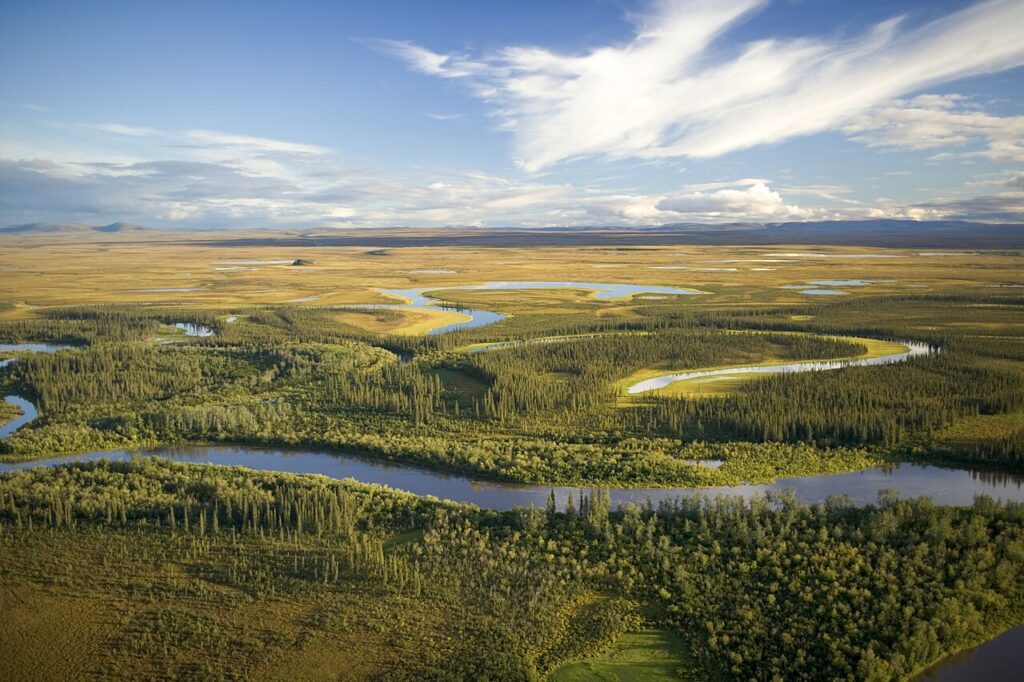
Selawik National Wildlife Refuge is a vast and remote protected area located in northwestern Alaska, covering an impressive 2.15 million acres of land. Established in 1980, the refuge is situated about 90 miles northwest of the Arctic Circle and is one of the most pristine and untouched regions in the United States. What makes Selawik National Wildlife Refuge special is its unique blend of Arctic tundra, boreal forests, and wetlands, which provide a habitat for an incredible array of wildlife, including bears, moose, caribou, and eagles.
The refuge was designated as a protected area to conserve and manage the natural and cultural resources of the region, and to provide opportunities for outdoor recreation, education, and scientific research. The refuge is managed by the U.S. Fish and Wildlife Service, which works to balance the needs of wildlife and humans in this fragile and beautiful ecosystem.
Getting There
To visit Selawik National Wildlife Refuge, you will need to plan carefully, as the refuge is located in a remote area with limited access. The refuge headquarters is located in Kotzebue, Alaska, which is accessible by air or sea. The GPS coordinates for the refuge headquarters are 66.8983° N, 162.5973° W.
The nearest airport is the Ralph Wien Memorial Airport (OTZ) in Kotzebue, which offers flights from Anchorage and other Alaskan cities. From Kotzebue, you can take a charter flight or boat to the refuge, depending on the time of year and your destination within the refuge. The driving distance from Kotzebue to the refuge is approximately 100 miles, but there are no roads, and the only access is by air or sea.
Here are the driving directions from Kotzebue to the refuge:
- From Kotzebue, take the Kobuk River Road (a gravel road) north for approximately 20 miles
- Turn left onto the Selawik Lake Road (a dirt road) and continue for approximately 30 miles
- The road ends at the lake, and from there, you will need to take a boat or charter a flight to access the refuge
Top Trails & Hikes
Selawik National Wildlife Refuge offers several hiking trails and routes, ranging from easy day hikes to more challenging multi-day backpacking trips. Some of the top trails and hikes in the refuge include:
- Selawik Lake Trail: A 10-mile out-and-back trail that takes you through boreal forest and tundra to the shores of Selawik Lake
- Kobuk River Trail: A 20-mile out-and-back trail that follows the Kobuk River and offers stunning views of the surrounding mountains and wildlife
- Waring Mountains Trail: A 15-mile loop trail that takes you through the Waring Mountains and offers breathtaking views of the surrounding landscape
The difficulty level of the trails ranges from easy to challenging, and hikers should be prepared for rugged terrain, unpredictable weather, and encounters with wildlife.
Detailed Trail Information
Here is more detailed information about each of the trails:
- Selawik Lake Trail: The trail begins at the Selawik Lake Campground and takes you through a mix of boreal forest and tundra. The trail is relatively flat and easy to follow, but hikers should be prepared for wet and muddy conditions. The trail ends at the shores of Selawik Lake, which offers stunning views and opportunities to see wildlife such as bears, moose, and eagles.
- Kobuk River Trail: The trail begins at the Kobuk River Campground and follows the river for approximately 10 miles. The trail is relatively flat and easy to follow, but hikers should be prepared for rugged terrain and unpredictable weather. The trail offers stunning views of the surrounding mountains and wildlife, including bears, moose, and caribou.
- Waring Mountains Trail: The trail begins at the Waring Mountains Trailhead and takes you through a mix of boreal forest and tundra. The trail is relatively challenging, with steep inclines and rugged terrain. Hikers should be prepared for unpredictable weather and encounters with wildlife.
Camping Options
Selawik National Wildlife Refuge offers several camping options, including developed campgrounds, backcountry camping, and cabin rentals. Here are some of the options:
- Selawik Lake Campground: A developed campground located on the shores of Selawik Lake, with amenities such as picnic tables, grills, and outhouses
- Kobuk River Campground: A developed campground located along the Kobuk River, with amenities such as picnic tables, grills, and outhouses
- Backcountry Camping: The refuge allows backcountry camping in designated areas, but campers must obtain a permit and follow all regulations
- Cabin Rentals: The refuge offers several cabin rentals, including the Selawik Lake Cabin and the Kobuk River Cabin. The cabins are equipped with basic amenities such as bunks, tables, and outhouses.
Campers should be prepared for rugged conditions, unpredictable weather, and encounters with wildlife.
Wildlife
Selawik National Wildlife Refuge is home to an incredible array of wildlife, including:
- Bears: Grizzly bears, black bears, and polar bears can be found in the refuge
- Moose: Moose are common in the refuge, particularly in the boreal forest and tundra areas
- Caribou: The refuge is home to a large herd of caribou, which migrate through the area in the spring and fall
- Eagles: Bald eagles, golden eagles, and other bird species can be found in the refuge
The best viewing spots for wildlife include the Selawik Lake Trail, the Kobuk River Trail, and the Waring Mountains Trail. Visitors should be prepared for encounters with wildlife and follow all safety regulations.
Fishing & Water Activities
Selawik National Wildlife Refuge offers excellent fishing and water activities, including:
- Fishing: The refuge is home to a variety of fish species, including salmon, char, and grayling. Visitors can fish in the lakes, rivers, and streams, but must obtain a permit and follow all regulations.
- Boating: Visitors can bring their own boats or rent one in Kotzebue to explore the lakes and rivers of the refuge
- Canoeing and Kayaking: The refuge offers excellent opportunities for canoeing and kayaking, particularly on the Kobuk River and Selawik Lake
Visitors should be prepared for cold water, strong currents, and unpredictable weather, and follow all safety regulations.
Best Time to Visit
The best time to visit Selawik National Wildlife Refuge depends on your interests and what you want to do. Here is a season-by-season breakdown:
- Spring (March to May): The best time to see caribou migrations and experience the refuge’s wildlife and scenery
- Summer (June to August): The best time for hiking, camping, and fishing, with long days and warm weather
- Fall (September to November): The best time to see the Northern Lights and experience the refuge’s fall colors and wildlife
- Winter (December to February): The best time for dog sledding, snow machining, and winter camping, with cold temperatures and short days
Peak visitation is during the summer months, but visitors should be prepared for crowds and long wait times for transportation and accommodations.
Permits & Fees
Selawik National Wildlife Refuge requires several permits and fees, including:
- Entry Fee: A fee of $10 per person is required to enter the refuge
- Backcountry Permit: A permit is required for backcountry camping and can be obtained at the refuge headquarters
- Fishing License: A fishing license is required to fish in the refuge and can be obtained at the refuge headquarters or online
Visitors should check with the refuge headquarters for up-to-date information on permits and fees.
History & Culture
Selawik National Wildlife Refuge has a rich and diverse history and culture, with evidence of human presence dating back thousands of years. The refuge is home to several indigenous communities, including the Inupiat and Yupik, who have traditionally used the area for hunting, fishing, and gathering.
The refuge was also an important location for early explorers and traders, who used the area as a stopping point for their journeys. The refuge was established in 1980 to conserve and manage the natural and cultural resources of the region, and to provide opportunities for outdoor recreation, education, and scientific research.
Planning Your Trip
Planning a trip to Selawik National Wildlife Refuge requires careful preparation and attention to detail. Here are some tips to help you plan your trip:
- How many days to spend: The number of days you spend in the refuge will depend on your interests and what you want to do. A minimum of 5-7 days is recommended to experience the refuge’s wildlife, scenery, and outdoor recreation opportunities.
- What to bring: Visitors should bring warm clothing, sturdy hiking boots, and gear for outdoor activities such as camping, fishing, and boating. A first aid kit, map, and compass are also essential.
- Guided tours available: Guided tours are available from Kotzebue and can be a great way to experience the refuge’s wildlife and scenery. Visitors can choose from a variety of tour operators and guides, who offer expertise and knowledge of the area.
Visitors should check with the refuge headquarters for up-to-date information on planning your trip, including information on transportation, accommodations, and outdoor recreation opportunities.