Overview
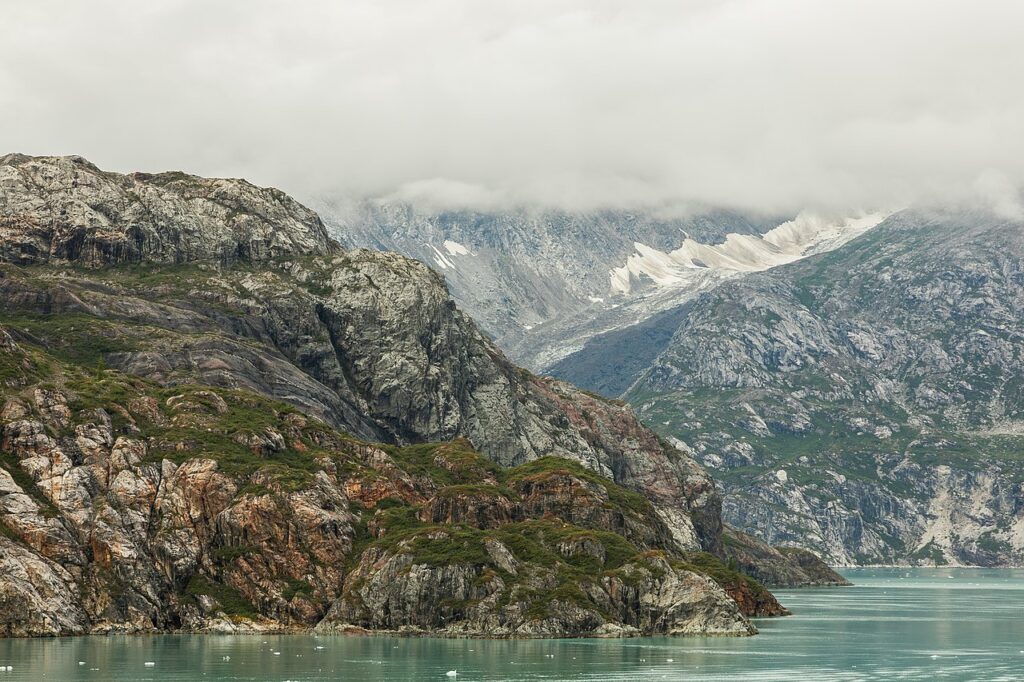
Glacier Bay National Park & Preserve is a stunning national park located in the southeastern part of Alaska, USA. With a total area of 3,223,383 acres, it is one of the largest national parks in the United States. The park is situated near the Canadian border, about 100 miles northwest of Juneau, the capital city of Alaska. What makes Glacier Bay special is its unique combination of glaciers, fjords, mountains, and forests, which provide a diverse range of habitats for a wide variety of wildlife. The park was designated as a national monument in 1925, and later as a national park and preserve in 1980. In 1979, it was also designated as a UNESCO World Heritage Site, recognizing its outstanding natural and cultural significance.
The park’s unique geology and geography are a result of the movement of the earth’s crust, which has created a series of glaciers, fjords, and mountains over millions of years. The park is home to over 1,000 glaciers, including the famous Margerie Glacier and the Grand Pacific Glacier. The glaciers are surrounded by towering mountains, including the Fairweather Range, which is home to some of the highest peaks in the United States.
Getting There
To get to Glacier Bay National Park & Preserve, you can fly into Gustavus, a small town located near the park’s entrance. The nearest airport is the Gustavus Airport, which is served by several airlines, including Alaska Airlines. From Gustavus, you can take a shuttle or taxi to the park’s entrance, which is located at GPS coordinates: 58.4367° N, 135.8750° W. The park is also accessible by boat, with several cruise lines and tour operators offering trips to the park.
If you are driving, you can take the Alaska Highway to Haines, and then take a ferry to Gustavus. The driving distance from Haines to Gustavus is approximately 60 miles, and the ferry ride takes around 2 hours. From Gustavus, you can drive to the park’s entrance, which is located about 10 miles away.
- Nearest airport: Gustavus Airport (GST)
- Nearest town: Gustavus, AK
- Access roads: Glacier Bay Highway, Gustavus Road
- Driving directions: From Haines, take the Alaska Highway to Gustavus, and then take a ferry to the park’s entrance
Top Trails & Hikes
Glacier Bay National Park & Preserve offers a wide range of hiking trails, from easy day hikes to more challenging multi-day backpacking trips. Some of the top trails and hikes in the park include:
- Barry Arm Trail: A 12-mile hike that takes you through a lush forest and offers stunning views of the surrounding mountains and glaciers
- West Glacier Trail: A 6-mile hike that takes you to the foot of the West Glacier, offering stunning views of the glacier and surrounding mountains
- Bartlett River Trail: A 12-mile hike that takes you through a scenic valley and offers stunning views of the surrounding mountains and glaciers
- Beardslee Islands Trail: A 2-mile hike that takes you to a scenic island with stunning views of the surrounding waters and mountains
The difficulty level of the trails varies, with some trails being easy and others being more challenging. It’s always a good idea to check with park rangers or visitor centers for up-to-date information on trail conditions and difficulty levels.
Trail Difficulty Levels
The trails in Glacier Bay National Park & Preserve are rated according to their difficulty level, with easy trails being suitable for families and beginners, and more challenging trails being suitable for experienced hikers. The difficulty levels are as follows:
- Easy: Trails that are well-maintained and have minimal elevation gain, suitable for families and beginners
- Moderate: Trails that have some elevation gain and may require some physical effort, suitable for hikers with some experience
- Difficult: Trails that have significant elevation gain and may require a high level of physical fitness, suitable for experienced hikers
Camping Options
Glacier Bay National Park & Preserve offers a range of camping options, from developed campgrounds to backcountry camping and cabin rentals. Some of the camping options in the park include:
- Bartlett Cove Campground: A developed campground with outhouses and potable water, located near the park’s entrance
- Backcountry camping: The park offers several backcountry camping sites, which are accessible by hiking or kayaking
- Cabin rentals: The park offers several cabins for rent, which are located in scenic areas and offer stunning views of the surrounding mountains and glaciers
It’s always a good idea to check with park rangers or visitor centers for up-to-date information on camping options and availability.
Wildlife
Glacier Bay National Park & Preserve is home to a wide range of wildlife, including:
- Brown bears: The park is home to a large population of brown bears, which can be seen in the park’s meadows and forests
- Black bears: The park is also home to a smaller population of black bears, which can be seen in the park’s forests and meadows
- Moose: The park is home to a large population of moose, which can be seen in the park’s meadows and forests
- Caribou: The park is home to a small population of caribou, which can be seen in the park’s meadows and forests
- Eagles: The park is home to a large population of bald eagles, which can be seen soaring overhead or perched in trees
The best viewing spots for wildlife in the park include the Bartlett Cove area, the West Glacier Trail, and the Beardslee Islands Trail.
Fishing & Water Activities
Glacier Bay National Park & Preserve offers a range of fishing and water activities, including:
- Fishing: The park is home to a wide range of fish species, including salmon, halibut, and trout
- Kayaking: The park offers several kayaking routes, including the Bartlett Cove area and the Beardslee Islands
- Boating: The park offers several boat launches, including the Bartlett Cove boat launch and the Gustavus boat launch
A fishing license is required to fish in the park, and can be obtained at the park’s visitor center or online. It’s always a good idea to check with park rangers or visitor centers for up-to-date information on fishing regulations and water activities.
Best Time to Visit
The best time to visit Glacier Bay National Park & Preserve depends on your interests and what you want to do. The park is open year-round, but the best time to visit is during the summer months (June to August), when the weather is warm and the days are long.
The park experiences a range of seasons, including:
- Spring (April to May): The park is still covered in snow, but the days are getting longer and the weather is starting to warm up
- Summer (June to August): The park is warm and sunny, with long days and mild nights
- Fall (September to October): The park is cool and rainy, with shorter days and colder nights
- Winter (November to March): The park is cold and snowy, with short days and limited access
The peak visitation period is during the summer months, when the park is busiest and the weather is warmest.
Permits & Fees
There are several permits and fees required to visit Glacier Bay National Park & Preserve, including:
- Entry fee: The park charges an entry fee of $30 per vehicle, which is valid for 7 days
- Backcountry permit: A backcountry permit is required for all backcountry camping and hiking, and can be obtained at the park’s visitor center or online
- Fishing license: A fishing license is required to fish in the park, and can be obtained at the park’s visitor center or online
It’s always a good idea to check with park rangers or visitor centers for up-to-date information on permits and fees.
History & Culture
Glacier Bay National Park & Preserve has a rich and diverse history and culture, with evidence of human presence dating back over 10,000 years. The park is home to several indigenous tribes, including the Huna Tlingit and the Tlingit, who have lived in the area for thousands of years.
The park was also visited by several European explorers, including Captain George Vancouver, who mapped the area in the late 18th century. The park was later established as a national monument in 1925, and later as a national park and preserve in 1980.
The park is also home to several historic sites, including the Huna Tlingit village of L’uknax.adi, which is located near the park’s entrance.
Planning Your Trip
Planning a trip to Glacier Bay National Park & Preserve requires some advance planning and preparation. Here are some tips to help you plan your trip:
- How many days to spend: The park is large and diverse, and requires at least 3-5 days to explore
- What to bring: The park is remote and rugged, and requires sturdy hiking boots, warm clothing, and a first aid kit
- Guided tours: The park offers several guided tours, including hiking and kayaking tours, which can be booked through the park’s visitor center or online
It’s always a good idea to check with park rangers or visitor centers for up-to-date information on trail conditions, camping options, and guided tours.
In conclusion, Glacier Bay National Park & Preserve is a unique and diverse national park that offers a wide range of outdoor activities and stunning natural beauty. With its glaciers, fjords, mountains, and forests, the park is a must-visit destination for anyone interested in outdoor adventure and nature. By planning ahead and being prepared, you can have a safe and enjoyable trip to this incredible park.