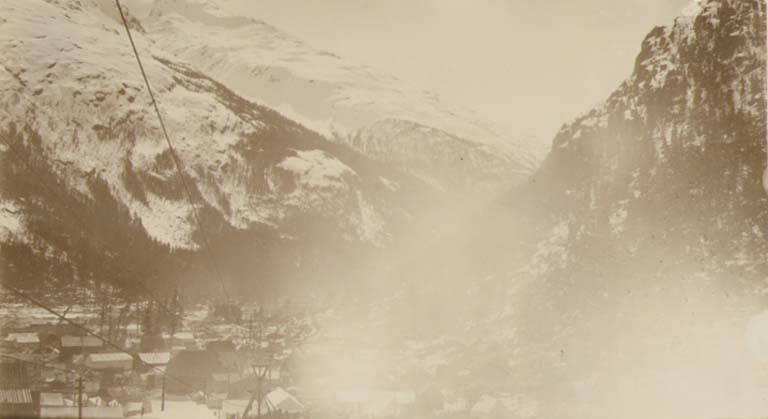
Introduction to Sheep Camp: A Hidden Gem in Alaska’s Wilderness
Located in the heart of Alaska’s stunning wilderness, Sheep Camp is a must-visit destination for outdoor enthusiasts and nature lovers. As an expert Alaska outdoor guide, I’m excited to share with you the wonders of this incredible place. In this article, we’ll delve into the details of Sheep Camp, covering its location, what to expect, the best times to visit, essential gear, wildlife safety, historical background, and practical tips from experienced visitors.
Location Details and Directions
To get to Sheep Camp, you’ll need to head to the Chugach National Forest, which is approximately 45 miles east of Anchorage. The GPS coordinates for Sheep Camp are 61.0333° N, 149.2333° W. From Anchorage, take the Seward Highway (AK-1) south towards Seward. After about 30 miles, turn left onto the Hope Highway (AK-10) and continue for another 15 miles. Turn right onto the Resurrection Creek Road and follow it for about 10 miles until you reach the Sheep Camp trailhead. The drive typically takes around 1-2 hours, depending on road conditions.
It’s essential to note that the road to Sheep Camp can be rough, especially during the spring and fall seasons. A high-clearance vehicle is recommended, and it’s always a good idea to check the road conditions before heading out. You can do this by visiting the Alaska Department of Transportation website or calling their hotline.
Detailed Description of Sheep Camp
Sheep Camp is a scenic campground and trailhead located in the Chugach National Forest. The camp is situated near the confluence of Resurrection Creek and the Resurrection River, offering stunning views of the surrounding mountains and valleys. The campground has 7-10 campsites, each equipped with a fire ring, picnic table, and bear-proof storage container. There are also vault toilets and a potable water source available.
The Sheep Camp trailhead is the starting point for several hiking trails, including the popular Resurrection Pass Trail and the Devil’s Pass Trail. These trails offer a range of hiking options, from easy day hikes to more challenging multi-day backpacking trips. The trails take you through a variety of landscapes, including forests, tundras, and mountain passes, with breathtaking views of glaciers, lakes, and surrounding peaks.
Trail Information
- Resurrection Pass Trail: 38 miles, 3-5 days, elevation gain 2,500 ft
- Devil’s Pass Trail: 10 miles, 1-2 days, elevation gain 1,500 ft
- Other trails: various distances and difficulties, including the Resurrection River Trail and the Hope Point Trail
Best Times to Visit Sheep Camp
The best time to visit Sheep Camp depends on your preferences and the activities you have planned. Here’s a breakdown of the seasons:
- Summer (June to August): Warmest weather, longest days, and best hiking conditions. This is the peak tourist season, and the campground and trails can be busy.
- Spring (April to May): Mild weather, fewer crowds, and beautiful wildflowers. However, some trails may still be snow-covered, and the road to Sheep Camp can be rough.
- Fall (September to October): Cooler weather, stunning foliage, and fewer crowds. This is a great time for hiking and wildlife viewing, but be prepared for potential rain and snow.
- Winter (November to March): Cold weather, snow, and limited access. The campground and trails are typically closed during this time, but it’s a great opportunity for snowshoeing, cross-country skiing, and winter camping.
Essential Gear and Preparation
When visiting Sheep Camp, it’s essential to be well-prepared with the right gear and knowledge. Here are some essentials to bring:
- Hiking boots or sturdy shoes
- Layers of clothing, including a waterproof jacket and pants
- Backpack with rain cover and bear-resistant storage
- Sleeping bag and pad
- Tent and camping gear
- First aid kit and emergency shelter
- Map, compass, and GPS device or app
- Headlamp or flashlight and extra batteries
- Food and water, including a water filter or purification tablets
- Bear spray and knowledge of how to use it
It’s also crucial to check the weather forecast before heading out and to be prepared for changing conditions. Let someone know your itinerary and expected return time, and always hike with a partner or group when possible.
Wildlife Safety and Emergency Tips
Sheep Camp is located in bear country, and it’s essential to take necessary precautions to ensure your safety. Here are some tips:
- Make noise while hiking to avoid surprising bears
- Keep a clean campsite, and store food and trash properly
- Use bear-resistant storage containers and hang food and trash bags
- Be aware of your surroundings and watch for signs of bears, such as tracks, scat, or digging
- Carry bear spray and know how to use it
In addition to bear safety, it’s also important to be aware of other potential hazards, such as:
- Moose: Keep a safe distance and be cautious of moose, especially during mating season
- Avalanches: Check the avalanche forecast and be aware of potential avalanche terrain
- Inclement weather: Be prepared for changing weather conditions and have a plan for emergency situations
In case of an emergency, know how to respond and have a plan in place. This includes:
- Having a first aid kit and knowing how to use the items in it
- Carrying a satellite phone or personal locator beacon (PLB)
- Knowing how to start a fire and signal for help
- Staying calm and thinking clearly in emergency situations
Historical Background and Cultural Significance
Sheep Camp has a rich cultural and historical significance, dating back to the early days of Alaska’s settlement. The area was originally used by indigenous peoples, including the Dena’ina and Ahtna tribes, who hunted and fished in the region. Later, it was used by gold miners and trappers, who established camps and trails in the area.
Today, Sheep Camp is a popular destination for outdoor enthusiasts and nature lovers, who come to experience the stunning natural beauty and rich cultural heritage of the region. The campground and trails are managed by the US Forest Service, which works to balance recreation and conservation efforts with the needs of local communities and indigenous peoples.
Practical Tips from Experienced Visitors
We asked experienced visitors to Sheep Camp for their practical tips and advice. Here’s what they had to say:
- Be prepared for changing weather conditions and have a plan for emergency situations
- Bring a map and compass, and know how to use them
- Make noise while hiking to avoid surprising bears
- Keep a clean campsite, and store food and trash properly
- Be respectful of the environment and other visitors
- Bring a camera and binoculars to capture the stunning scenery and wildlife
Nearby Attractions and Activities
Sheep Camp is located near several other attractions and activities, including:
- Hope: A charming town with a rich gold rush history, located about 10 miles from Sheep Camp
- Resurrection Bay: A stunning fjord with breathtaking views and wildlife viewing opportunities, located about 20 miles from Sheep Camp
- Seward: A popular tourist town with a range of outdoor activities, including hiking, kayaking, and fishing, located about 45 miles from Sheep Camp
- Kenai Fjords National Park: A stunning national park with breathtaking scenery and wildlife viewing opportunities, located about 60 miles from Sheep Camp
These attractions and activities offer a range of options for visitors, from outdoor adventures to cultural and historical experiences. Whether you’re interested in hiking, wildlife viewing, or simply taking in the stunning natural beauty of Alaska, Sheep Camp is an ideal base for your next adventure.