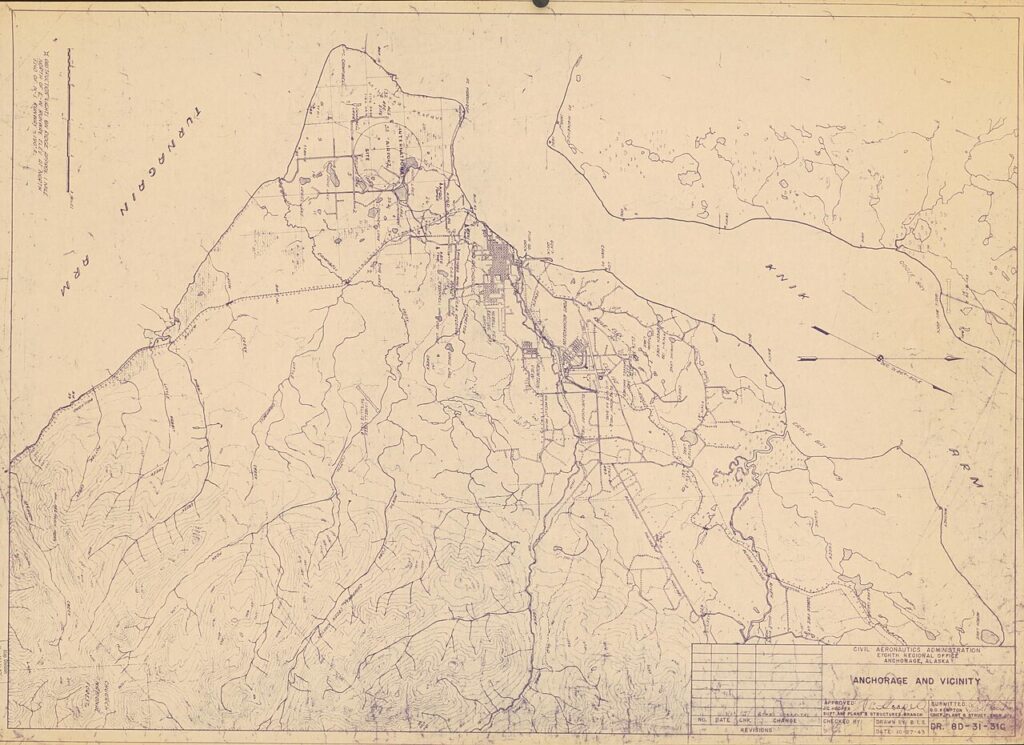
Overview
Anchorage, the largest city in Alaska, is surrounded by a vast wilderness of mountains, forests, and wetlands, offering endless opportunities for outdoor adventures. As an expert Alaska outdoor guide, I can attest that the Anchorage area is a paradise for hikers, campers, and nature enthusiasts. With its unique blend of urban and wilderness environments, Anchorage provides easy access to a wide range of outdoor activities, from leisurely strolls to challenging mountain climbs. In this article, we’ll explore the best of the Anchorage area, including its hiking trails, campgrounds, and parks, and provide you with the essential information you need to plan your next Alaskan adventure.
Getting There & Access
To get to the Anchorage area, you can fly into Ted Stevens Anchorage International Airport (ANC), which is located about 5 miles southwest of downtown Anchorage. From the airport, you can rent a car or take a taxi/shuttle to your destination. If you’re driving, Anchorage is accessible via the Seward Highway (AK-1) from the south and the Glenn Highway (AK-1) from the north. GPS coordinates for the city center are: 61.2181° N, 149.9003° W. For specific trailheads and campgrounds, be sure to check the GPS coordinates and directions provided in the trail descriptions.
- Tony Knowles Coastal Trail: 61.2063° N, 149.9133° W
- Flattop Mountain Trail: 61.0642° N, 149.6828° W
- Chugach National Forest: 61.1833° N, 149.0667° W
What to Expect
The Anchorage area offers a diverse range of outdoor experiences, from easy day hikes to multi-day backpacking trips. The terrain varies from coastal wetlands to mountainous peaks, with scenic views of surrounding mountains, glaciers, and wildlife. Some of the most popular hiking trails in the area include the Tony Knowles Coastal Trail, Flattop Mountain Trail, and the Chugach National Forest trails. Be prepared for variable weather conditions, including rain, wind, and sun, and bring layers of clothing to stay comfortable.
Trail Descriptions
The Tony Knowles Coastal Trail is a 11-mile coastal trail that follows the shoreline of Cook Inlet, offering stunning views of the surrounding mountains and water. The Flattop Mountain Trail is a 2.5-mile hike with an elevation gain of 1,000 feet, providing panoramic views of the surrounding mountains and valleys. The Chugach National Forest trails offer a range of hiking options, from easy day hikes to multi-day backpacking trips, with scenic views of glaciers, mountains, and wildlife.
Best Time to Visit
The best time to visit the Anchorage area depends on your preferences and the activities you have planned. Summer (June to August) is the peak tourist season, with warm weather, long days, and access to hiking trails and outdoor activities. Spring (April to May) and fall (September to October) are also great times to visit, with mild weather and fewer crowds. Winter (November to March) is ideal for skiing, snowshoeing, and dog sledding, but be prepared for cold temperatures and shorter days.
- Summer: 18 hours of daylight, temperatures range from 60°F to 80°F (15°C to 27°C)
- Spring: 16 hours of daylight, temperatures range from 40°F to 60°F (4°C to 15°C)
- Fall: 12 hours of daylight, temperatures range from 30°F to 50°F (-1°C to 10°C)
- Winter: 6 hours of daylight, temperatures range from -20°F to 30°F (-29°C to -1°C)
Essential Gear & Preparation
When exploring the Anchorage area, it’s essential to be prepared with the right gear and knowledge. Bring layers of clothing, including a waterproof jacket and pants, insulated jacket, and warm hat and gloves. Sturdy hiking boots, trekking poles, and a backpack with essentials such as food, water, and first aid kit are also must-haves. Don’t forget to check the weather forecast and trail conditions before heading out, and let someone know your itinerary and expected return time.
- Waterproof jacket and pants
- Insulated jacket and warm hat and gloves
- Sturdy hiking boots and trekking poles
- Backpack with essentials (food, water, first aid kit, etc.)
- Map and compass and/or GPS device
Wildlife & Safety
The Anchorage area is home to a wide range of wildlife, including bears, moose, and Dall sheep. When hiking, be sure to make noise to avoid surprising animals, and keep a safe distance if you encounter any wildlife. Be prepared for changing weather conditions, including rain, wind, and sun, and bring layers of clothing to stay comfortable. In case of an emergency, know how to use your gear, including a first aid kit, and have a plan for evacuation or rescue.
Bear Safety
When hiking in bear country, be sure to follow these guidelines:
- Make noise to avoid surprising bears
- Keep a safe distance if you encounter a bear
- Do not approach or feed bears
- Carry bear spray and know how to use it
History & Background
The Anchorage area has a rich history and cultural heritage, with evidence of human habitation dating back over 1,000 years. The indigenous Dena’ina people have lived in the area for centuries, and their traditions and customs continue to influence the local culture. The city of Anchorage was founded in 1915, and has since grown into a thriving metropolis with a strong economy and vibrant arts scene.
Indigenous Heritage
The Dena’ina people have a deep connection to the land and its resources, and their traditions and customs continue to shape the local culture. The Dena’ina word for the area is “Dgheyaytnu,” which means “the place where the flat lands meet the mountains.”
Tips from Locals
As a local guide, I can offer some insider knowledge and tips for exploring the Anchorage area. Be sure to check the trail conditions and weather forecast before heading out, and bring layers of clothing to stay comfortable. Don’t miss the stunning views from the top of Flattop Mountain, and be sure to try some of the local cuisine, including fresh seafood and wild game. If you’re looking for a unique experience, consider taking a guided hike or wildlife tour with a local expert.
- Check trail conditions and weather forecast before heading out
- Bring layers of clothing to stay comfortable
- Don’t miss the stunning views from the top of Flattop Mountain
- Try some of the local cuisine, including fresh seafood and wild game
Nearby Attractions
The Anchorage area is surrounded by a wide range of attractions and activities, including the Tony Knowles Coastal Trail, Flattop Mountain Trail, and the Chugach National Forest. Other nearby attractions include the Anchorage Museum, the Alaska Native Heritage Center, and the Portage Glacier. Be sure to check out some of the local festivals and events, including the Anchorage Summer Festival and the Alaska Native Cultural Festival.
- Anchorage Museum: 625 C Street, Anchorage, AK 99501
- Alaska Native Heritage Center: 8800 Heritage Center Drive, Anchorage, AK 99504
- Portage Glacier: 1 mile west of the town of Portage, AK
Planning Resources
For more information on planning your trip to the Anchorage area, be sure to check out the following resources:
- Anchorage Convention and Visitors Bureau: www.anchorage.net
- Chugach National Forest: www.fs.usda.gov/chugach
- Alaska State Parks: www.alaskastateparks.org
- Anchorage Park Foundation: www.anchorageparkfoundation.org
Remember to always check the current trail conditions, weather forecast, and any necessary permits or regulations before heading out on your adventure. With its stunning natural beauty, rich cultural heritage, and endless outdoor opportunities, the Anchorage area is a must-visit destination for any outdoor enthusiast.