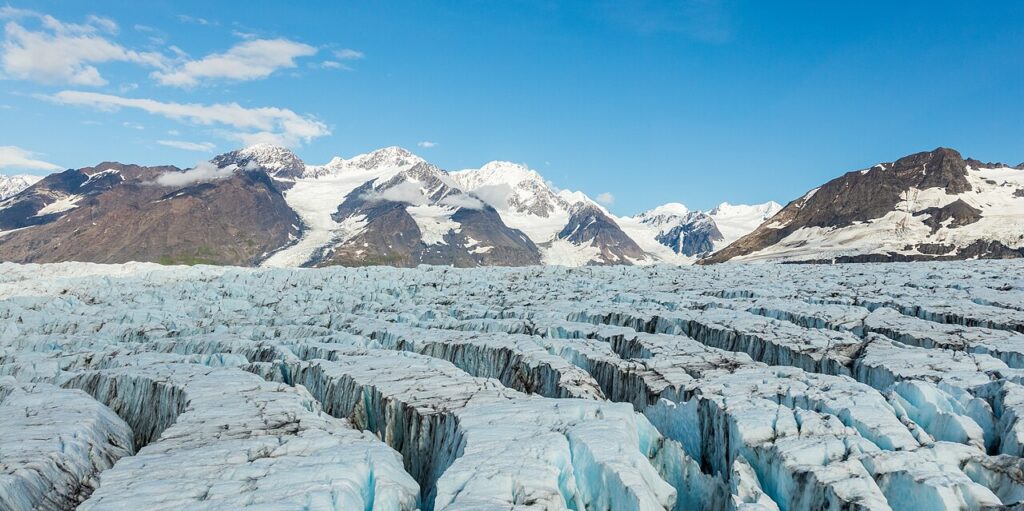
Overview
Chugach State Park is one of the largest and most accessible state parks in Alaska, covering an area of approximately 495,000 acres. Located just east of Anchorage, the park offers a unique blend of rugged wilderness, scenic beauty, and recreational opportunities. What makes Chugach State Park special is its proximity to the state’s largest city, making it an ideal destination for both locals and visitors seeking to experience Alaska’s great outdoors. The park was established in 1970 to provide a protected area for outdoor recreation, conservation, and education, and it has since become a beloved destination for hikers, campers, fishermen, and wildlife enthusiasts.
The park’s designation history dates back to the early 20th century, when the area was first set aside as a forest reserve. Over the years, the park has undergone several expansions and designations, including its current status as a state park. Today, Chugach State Park is managed by the Alaska Department of Natural Resources, Division of Parks and Outdoor Recreation, which works to balance the park’s recreational and conservation goals with its natural and cultural resources.
Getting There
To get to Chugach State Park, visitors can access the park from several points along the Seward Highway (AK-1) and the Glenn Highway (AK-1). The park’s main entrance is located at the Chugach National Forest boundary, near the town of Eagle River. The GPS coordinates for the park’s main entrance are 61.3272° N, 149.4667° W.
The nearest airport is the Ted Stevens Anchorage International Airport (ANC), which is located about 30 miles from the park’s main entrance. From the airport, visitors can rent a car or take a shuttle or taxi to the park. The nearest towns are Anchorage and Eagle River, which offer a range of amenities, including lodging, dining, and outdoor gear shops.
Driving directions to the park are as follows:
- From Anchorage, take the Seward Highway (AK-1) east towards Eagle River.
- Turn left onto the Hiland Road exit and follow the signs to the Chugach State Park entrance.
- From the Glenn Highway (AK-1), take the Eagle River exit and follow the signs to the park entrance.
Top Trails & Hikes
Chugach State Park offers over 280 miles of trails, ranging from easy day hikes to multi-day backpacking trips. Some of the park’s most popular trails include:
- Flattop Mountain Trail: A 2.5-mile out-and-back trail with an elevation gain of 1,700 feet, offering stunning views of the surrounding mountains and Cook Inlet.
- Rabbit Lake Trail: A 4.5-mile out-and-back trail with an elevation gain of 1,000 feet, leading to a scenic lake surrounded by mountains and wildflowers.
- Willow Creek Trail: A 6.5-mile out-and-back trail with an elevation gain of 1,500 feet, following a scenic creek through a lush forest and offering stunning views of the surrounding mountains.
These trails offer a range of difficulties, from easy to challenging, and are suitable for hikers of all skill levels. Visitors should always check the park’s website for up-to-date trail information and to plan their itinerary accordingly.
Trail Difficulty Ratings
The park’s trails are rated according to their difficulty, with easy trails being relatively flat and well-maintained, and challenging trails being steep and rugged. Visitors should always assess their own abilities and choose trails that are suitable for their skill level.
- Easy: Trails with minimal elevation gain and well-maintained surfaces, suitable for families and beginners.
- Moderate: Trails with some elevation gain and potentially rugged surfaces, suitable for hikers with some experience.
- Challenging: Trails with significant elevation gain and rugged surfaces, suitable for experienced hikers only.
Camping Options
Chugach State Park offers a range of camping options, including developed campgrounds, backcountry camping, and cabin rentals. The park’s developed campgrounds are located near the main entrance and offer amenities such as potable water, flush toilets, and picnic tables.
Backcountry camping is also available throughout the park, with several designated campsites located along the trails. Visitors must obtain a backcountry camping permit before setting out, which can be obtained at the park’s visitor center or online.
The park also offers several cabin rentals, which are located near the main entrance and offer amenities such as beds, tables, and woodstoves. These cabins can be reserved in advance through the park’s website or by calling the park’s reservation line.
Wildlife
Chugach State Park is home to a wide range of wildlife, including bears, moose, caribou, and eagles. The park’s diverse habitats, including forests, tundras, and wetlands, support a variety of species, and visitors may catch glimpses of these animals while hiking or camping.
Some of the best viewing spots for wildlife include:
- Flattop Mountain: A popular spot for viewing Dall sheep and mountain goats.
- Rabbit Lake: A scenic lake surrounded by mountains and wildflowers, and a popular spot for viewing moose and bears.
- Willow Creek: A scenic creek that flows through a lush forest, and a popular spot for viewing salmon and other fish species.
Visitors should always keep a safe distance from wildlife and never approach or feed them, as this can be dangerous for both humans and animals.
Fishing & Water Activities
Chugach State Park offers a range of fishing and water activities, including fishing for salmon, trout, and char in the park’s lakes and streams. The park’s most popular fishing spots include:
- Rabbit Lake: A scenic lake surrounded by mountains and wildflowers, and a popular spot for fishing for trout and char.
- Willow Creek: A scenic creek that flows through a lush forest, and a popular spot for fishing for salmon and other fish species.
- Eklutna Lake: A large lake located near the park’s main entrance, and a popular spot for fishing for trout and char.
Visitors must obtain a fishing license before fishing in the park, which can be obtained at the park’s visitor center or online. The park also offers several boat launches and rentals, as well as guided fishing tours and lessons.
Best Time to Visit
The best time to visit Chugach State Park depends on the visitor’s interests and preferences. The park is open year-round, but the summer months (June to August) offer the best weather and access to the park’s trails and facilities.
The park’s peak visitation season is during the summer months, when the weather is warm and dry, and the trails are snow-free. However, the park can be crowded during this time, and visitors may need to plan ahead to secure camping and lodging reservations.
The spring (April to May) and fall (September to October) seasons offer a more peaceful and serene experience, with fewer crowds and more comfortable temperatures. However, the park’s trails may be snow-covered and icy during these times, and visitors should be prepared for changing weather conditions.
The winter months (November to March) offer a unique and peaceful experience, with snow-covered landscapes and frozen lakes. However, the park’s trails may be difficult to access, and visitors should be prepared for cold temperatures and potential avalanches.
Permits & Fees
Chugach State Park charges a daily entrance fee of $5 per vehicle, which can be paid at the park’s entrance station or online. The park also offers an annual pass for $50, which grants unlimited access to the park for one year.
Backcountry camping permits are required for all overnight trips in the park, and can be obtained at the park’s visitor center or online. The cost of a backcountry camping permit is $10 per night, and visitors must also pay the daily entrance fee.
Fishing licenses are required for all fishing activities in the park, and can be obtained at the park’s visitor center or online. The cost of a fishing license varies depending on the type of license and the visitor’s residency status.
History & Culture
Chugach State Park has a rich and diverse cultural history, with evidence of human presence dating back over 10,000 years. The park is home to several indigenous groups, including the Dena’ina and the Athabascan, who have traditionally used the park’s resources for hunting, gathering, and fishing.
The park’s exploration history dates back to the early 20th century, when the area was first mapped and surveyed by European-American explorers. The park’s establishment as a state park in 1970 marked a significant turning point in its history, as it provided a protected area for outdoor recreation, conservation, and education.
Today, the park is managed by the Alaska Department of Natural Resources, Division of Parks and Outdoor Recreation, which works to balance the park’s recreational and conservation goals with its natural and cultural resources. The park offers several cultural and educational programs, including guided tours, interpretive signs, and educational materials, which help to promote an understanding and appreciation of the park’s rich cultural heritage.
Planning Your Trip
Planning a trip to Chugach State Park requires some advance preparation, especially during the peak visitation season. Visitors should plan to spend at least 2-3 days in the park to explore its trails, campgrounds, and facilities.
Some essential items to bring include:
- Hiking boots: Sturdy, waterproof boots with good tread and ankle support.
- Layered clothing: Breathable, moisture-wicking clothing that can be layered for changing weather conditions.
- Water and snacks: Enough water and snacks to last throughout the day, as well as a water filter or purification tablets.
- Map and compass: A detailed map of the park and a compass, as well as a GPS device or smartphone with a GPS app.
Guided tours are also available, which can provide a more in-depth and personalized experience of the park. These tours can be booked through the park’s website or by contacting a local guiding service.
Overall, Chugach State Park is a unique and special destination that offers something for everyone. With its stunning natural beauty, rich cultural heritage, and endless recreational opportunities, it is a must-visit destination for anyone interested in exploring the great outdoors of Alaska.